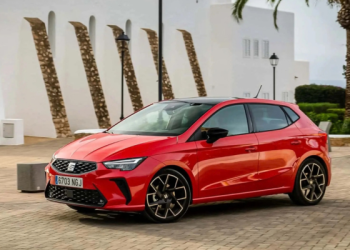

For many elite footballers, signing a new deal is quickly followed by another purchase, a high-powered car, a decision that often carries far greater risk than reward.
From Ferraris to Lamborghinis, the parking lots at top English clubs now resemble showrooms. But a growing list of crashes, bans, and fatalities is raising urgent questions about safety and accountability inside a billion-pound industry built on human assets.
Rising Risks for Premier League Player Contracts
Recent years have seen a wave of dangerous driving incidents involving top players. In 2024, Michail Antonio survived a crash that ended his West Ham career. Manchester United’s Leny Yoro was banned for speeding at 72mph in a 30mph zone. Chelsea’s Wesley Fofana and former United defender Brandon Williams also faced serious penalties for reckless driving.
The consequences go beyond fines or bans. In July 2025, Liverpool forward Diogo Jota and his brother died in a Lamborghini crash in Spain, sending shockwaves through the sport.
“These players are part of a billion-pound business,” said campaigner Shaun Whiter. “They might be £100m assets. But one moment on the road can destroy everything.”
The Hidden Cost: Sports Asset Valuation ($100m Players)
Football clubs invest heavily in protecting players, from injuries to mental health. But road safety remains largely overlooked.
Whiter and fellow speaker Peter Mitchell, both survivors of life-changing accidents, now visit academies to warn young players. Yet their reach is limited.
“Only about five per cent of elite players hear these talks,” Whiter said.
Mitchell agrees the gap is dangerous. “It’s not the kids driving these cars. It’s the first-team players,” he said. “And we’re not reaching them.”
The financial implications are stark. A top player’s value can exceed $100 million, making them not just athletes, but critical business assets.
Gaps in Driver Safety Training Programs
Despite the risks, there is no mandatory driver education for professional players. The Football Association says responsibility lies with clubs. But campaigners argue that without structured programs, awareness remains inconsistent.
“We see referees brief players every season,” Whiter said. “Why not a 30-minute session on driver safety?”
His message is that a high-performance cars demand discipline that most players are never trained for.
The Role of Luxury Car Insurance and Lifestyle Culture
The culture of success in football often includes fast cars as status symbols. Easy access to high-performance vehicle financing and wealth at a young age only accelerates the trend. But experts warn that lifestyle choices are outpacing education.
“A car is a weapon,” Whiter said. “And they are not Formula One drivers.”
A Preventable Crisis
Both Whiter and Mitchell speak from experience. Whiter lost both legs after a hit-and-run. Mitchell was left in a wheelchair after a crash as a teenager. Their message is not about blame but prevention.
“That split second, going a bit faster, taking a risk, that’s all it takes,” Whiter said.
As clubs continue to invest millions in talent, the question remains whether they are doing enough to protect it on and off the pitch.
Read also: Jack Grealish fined £1,000 after Lamborghini red light case