The global automotive industry is entering a new era of competition as Chinese manufacturers put established carmakers under growing pressure.
For motorists, the battle could mean more affordable vehicles, improved technology and greater choice. However, traditional manufacturers must rethink how they design, produce and price their cars to remain competitive.
Chinese brands are increasingly challenging established manufacturers through competitive pricing, electric vehicle technology and faster product development. Their growing presence is forcing the industry to reconsider traditional business models.
The growing challenge for traditional carmakers
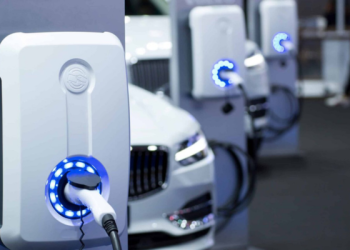
The pressure is particularly visible in the electric vehicle market, where Chinese manufacturers have built strong advantages in production capacity, battery technology and pricing.
According to the International Energy Agency (IEA), China accounted for nearly 75% of global electric car production in 2025. The country produced a significant proportion of the world’s electric vehicles, supported by an extensive battery supply chain and large-scale manufacturing operations.
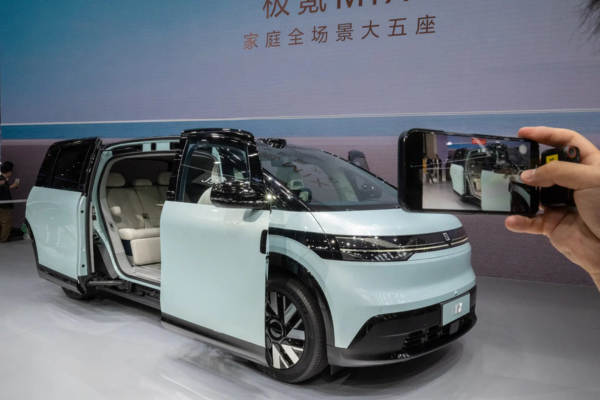
Chinese manufacturers, including BYD, Geely and Chery, are expanding their international presence. Their growing product ranges include electric cars, plug-in hybrids and conventional petrol-powered vehicles.
Their competitive advantage goes beyond vehicle prices. Many Chinese manufacturers can develop new models quickly, integrate battery production and vehicle assembly, and introduce advanced digital features at competitive costs.
The impact is already becoming clear in major international markets. In Britain, Chinese carmakers’ combined market share reached approximately 15% in 2026, while their share of the European Union market stood at 6.4%, according to Reuters reporting in June.
For established manufacturers such as Volkswagen, Toyota and Ford, the challenge is becoming increasingly difficult to ignore.
These companies have decades of manufacturing experience, established dealer networks and strong global brand recognition. However, their traditional production structures and development processes can make it harder to compete with manufacturers operating at China’s manufacturing scale.
Reducing production costs is therefore becoming a major priority. Carmakers must improve factory efficiency, strengthen supply chains and reconsider how they develop and manufacture vehicles.
Technology will also play a crucial role. Consumers increasingly expect modern infotainment systems, connected services, driver assistance features and efficient electric powertrains. Manufacturers that fail to deliver these improvements risk losing customers to more technologically competitive rivals.
However, Chinese manufacturers are not without challenges. Intense competition in their domestic market has squeezed profit margins, while trade tariffs and regulatory restrictions could complicate their international expansion.
The pressure is also creating opportunities for partnerships. Some established manufacturers are exploring collaborations with Chinese technology companies to access electric vehicle platforms, batteries and software expertise.
Ultimately, the future of the automotive industry will depend on more than manufacturing history or brand reputation. Companies must demonstrate that they can deliver reliable, technologically advanced and affordable vehicles.
For consumers, this competition could bring better products and greater value. For traditional automakers, however, the message is clear: adapting to the changing market is no longer optional.
Read also: Why Chinese electric cars could complicate UK-EU trade relations