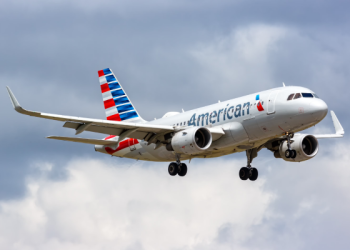
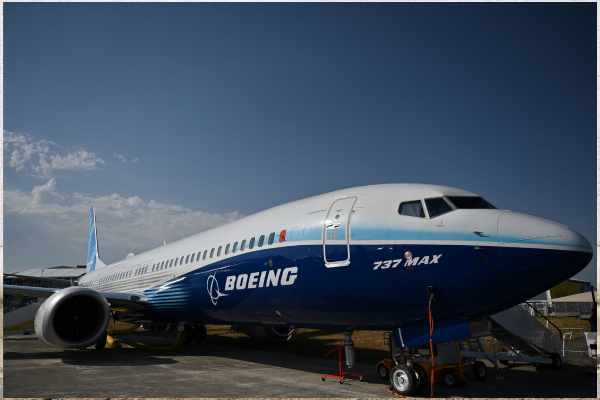
US plane maker Boeing said on Tuesday that its aircraft deliveries ticked up to 57 jets in September. This number is up from 51 jets in August and 55 planes delivered during the same month last year. The higher numbers come as the company works hard to ramp up factory production of its best-selling narrow-body plane.
The company is pushing to hit a steady production target. Boeing plans to increase its 737 MAX output to 47 jets every month. However, this factory ramp-up has taken much longer than company leaders originally expected.
Increasing 737 MAX Airplane Deliveries and Production Targets
Boeing CEO Kelly Ortberg spoke about these challenges during an investor conference in September. He explained that hitting the monthly factory goals has been a slow process. Despite these delays, the planemaker’s main programs are showing clear signs of progress.
The September deliveries included 43 of the 737 MAX jets, eight 787 planes, two 777 freighters, and four 767 jets. Three of the 767 planes went directly to Boeing’s defense unit. Workers will complete those specific aircraft as KC-46 aerial refueling tankers for military use.
Commercial Aircraft Orders Outpace European Competitor
Even though Boeing increased its output, the company still trailed its big European rival. Airbus completed 72 airplane deliveries in September. However, Boeing far outsold its competitor in new sales. Airbus only booked 17 new orders from two customers last month, while Boeing secured a massive total of 165 new orders.
A massive order from Turkish Airlines for 100 737 MAX jets heavily boosted Boeing’s September sales total. The company also booked orders for 20 737 MAX jets for Lufthansa. Additionally, Biman Bangladesh Airlines ordered six 737 MAX jets and five 787 planes. Ethiopian Airlines added to the total by purchasing eight 777-8 freighters and two 777 freighters. Unidentified buyers accounted for another six 737 MAX jets and 18 787 planes.
Global Procurement Process and Backlog Expansion
Despite the strong sales, September orders did not include any of the 200 jets that China committed to back in May. Boeing company officials had hoped to convert those commitments into firm orders during a major summit between Chinese and US leaders last month.
“We are making progress toward addressing China’s growing need for airplanes. We continue to follow China’s established airplane procurement process by working closely with the government and our customers,” a Boeing spokesperson told Reuters.
Through September, Boeing has delivered 475 jets this year, which is an 8 percent jump from a year earlier. This total includes 363 737 MAX jets, marking the most the MAX program has ever delivered in the first nine months of any year.
Thanks to these strong sales, Boeing ended the month with an official aircraft backlog of 6,371 jets. This is a clear increase from the 6,156 jets left in the backlog at the end of August. Despite the growing backlog, Boeing shares fell 1.6 percent in afternoon trading as investors continue to track the slow factory recovery.
Read also: Boeing records strongest first-half aircraft deliveries since 2018