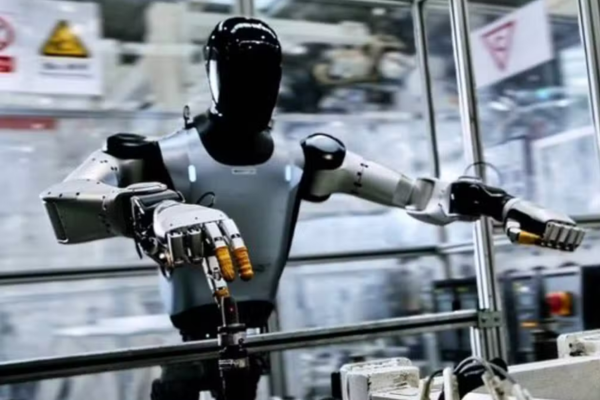
Chinese technology giant Xiaomi is testing humanoid robots on its electric vehicle production lines, a move that could reshape how cars are built.
The company says its experimental robots can already perform up to 90% of the work of a human during a three-hour shift. Early trials suggest the machines can operate at the same pace as factory workers. The development signals a new phase in automation for the rapidly expanding electric vehicle industry.
The robots, known as CyberOne humanoid robot, are currently being trialled inside Xiaomi’s EV factories. Company president Lu Weibing described their role as experimental rather than permanent.
“The robots in our production lines weren’t doing an official job, more like interns,” he said during an interview at the Mobile World Congress in Barcelona.
Robots matching human pace
Despite their “intern” status, the robots have already demonstrated impressive efficiency. Xiaomi says the production line can roll out one electric vehicle every 76 seconds while maintaining its usual quality standards.
The humanoid machines are being tested for tasks that require precision, repetitive motion, or physical endurance. Engineers say these jobs often cause strain or injury for human workers over time.
Robots have long been common in automotive manufacturing. However, humanoid designs combined with artificial intelligence could allow machines to work in spaces originally designed for humans.
This flexibility could reduce the need for expensive factory redesigns while increasing production speed.
Rapid growth in Xiaomi’s EV business
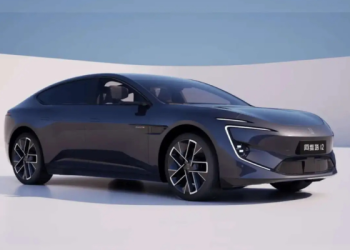
Xiaomi entered the electric vehicle market only recently but has already reported strong demand. The company says it is currently selling around 647 vehicles per day, reflecting growing consumer interest in its models.
Its EVs have also begun reaching international buyers. The firm plans to establish showrooms and charging networks across Europe, with a full market launch expected in 2027.
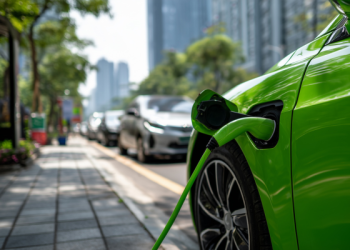
The expansion comes as governments push for cleaner transport. Electric vehicles produce no tailpipe emissions, helping reduce urban air pollution and greenhouse gases linked to climate change.
For drivers, EVs can also offer lower running costs. Electricity is often cheaper than petrol or diesel, while electric motors require fewer moving parts and less maintenance.
Automation raises future workforce questions
While automation may improve efficiency, it also raises questions about the future of human jobs. Humanoid robots capable of performing human-like tasks could eventually replace workers in certain roles.
Lu acknowledged that possibility but said the technology remains in its early stages.
“I believe in the future humanoid robots will replace humans for certain work,” he said. “They may also do tasks that humans simply cannot do.”
Some industry leaders have welcomed the shift. Elon Musk, whose company Tesla is developing its own humanoid robot, has previously argued that automation could transform manufacturing and improve productivity.
For now, Xiaomi insists the machines are only assistants. But the trial suggests the automotive factory of the future may include both human workers and humanoid colleagues on the same production line.