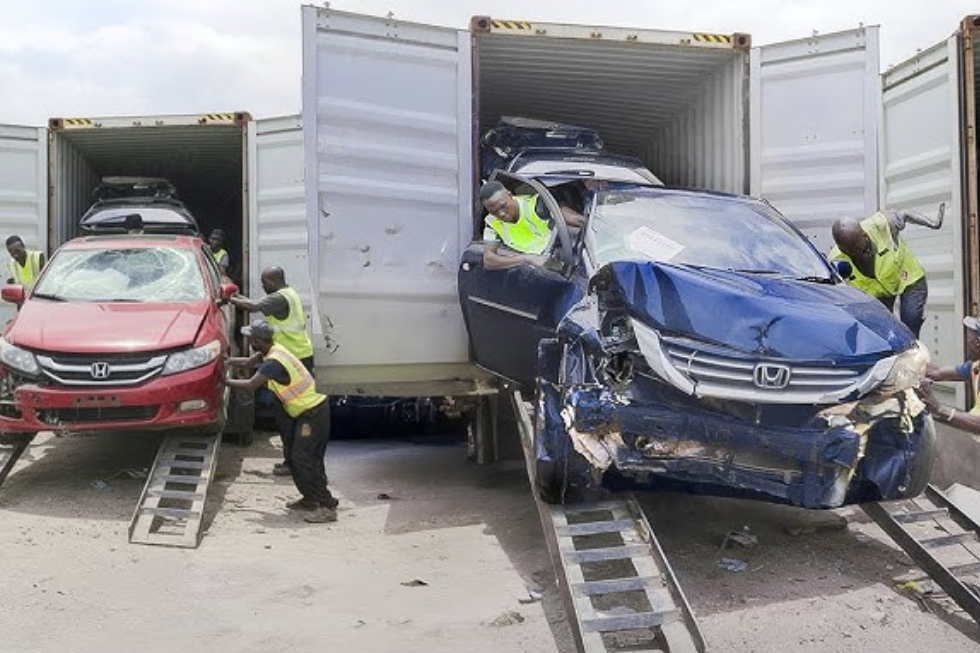
The Nigerian government is ending the era of the “salvage” import. A new pre-shipment inspection regime is now in force. It has one simple rule: if a car is not certified as safe before it leaves the port in America or Europe, it cannot enter Nigeria. This “no certification, no entry” framework aims to stop “rolling hazards” from hitting local roads.
Safety Over Savings?
Road crashes in Nigeria climbed by 9.2% last year. To fight this, the government created the VehCAP program. This plan forces every used car to undergo a strict check-up at the point of export. Prince Ajibola Adedoyin, president of the motor dealers’ group AMDON, says the goal is to stop cars that “pose a hazard to the end users.”
Why It Matters to Your Wallet
If you are planning to buy a car, pay attention. Dealers claim this won’t raise prices. They say shipping a wreck costs the same as shipping a clean car. But the real change is for the “flippers.” Thomas Alor, a top freight forwarder, notes that people buy wrecks because they are “cheaper abroad,” fix them up, and sell them as “new” to unsuspecting buyers. This ban makes that trick much harder to pull off.
A Multi-Trillion Naira Market
Nigerians spent a massive N1.58 trillion on passenger car imports Nigeria in 2025 alone. Most of these cars come from the United States. Under the new automotive regulatory framework, the NADDC will lead these inspections. While the move protects buyers from buying a “lemon,” it also tightens the grip on who can bring cars into the country.
The End of the Dumping Ground
For years, critics said Nigeria was a dumping ground for the world’s junk. Dealers agree that “something of this sort should be implemented.” While not every dented fender is a danger, the government is focusing on cars with major structural damage. If you have a car already on a ship, don’t worry, the government says those can still be cleared. For everyone else, the rules have changed forever.
Read also: Used car prices hit 3-year high as supply vanishes

![Tesla [Reuters]](https://autojournal.africa/wp-content/uploads/2026/04/Tesla-Reuters-350x250.png)