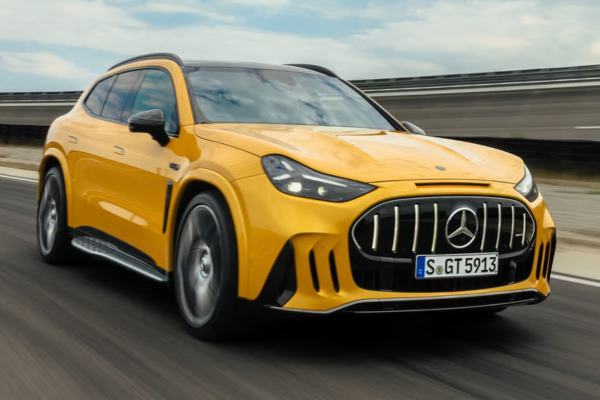
Mercedes-Benz is bringing artificial engine noise to a new level of luxury with its all-electric AMG GT SUV. Buyers choosing the more expensive versions will receive simulated V8 sounds, while the entry-level model gets a different soundtrack.
The decision highlights an unusual challenge for electric performance cars. Although electric motors deliver instant acceleration without traditional combustion engines, some manufacturers are working to recreate the sound and emotion associated with petrol-powered sports cars.
The new Mercedes-AMG GT SUV combines high performance with digital sound technology. However, making the more dramatic artificial engine note exclusive to higher-priced versions raises questions about what luxury means in the electric vehicle era.
Three electric versions offer up to 1,153 horsepower
Mercedes has developed the AMG GT SUV as a dedicated electric vehicle rather than adapting an existing petrol-powered SUV platform.
According to the model details provided, the range starts with the AMG GT 53, producing 536 horsepower. The GT 55 increases output to 805 horsepower, while the flagship GT 63 delivers up to 1,153 horsepower.
These figures place the electric SUV firmly in the high-performance category. Its appeal centres on combining substantial power with the practicality and elevated driving position expected from a luxury SUV.
However, performance is only part of the story. Mercedes has also made the vehicle’s artificial sound experience dependent on which version customers purchase.
The GT 55 and GT 63 feature simulated V8 audio, while the entry-level GT 53 uses sounds modelled on an AMG six-cylinder engine.
The feature is associated with Mercedes-AMG’s AMGFORCE Sport+ branding. This makes the choice of artificial engine sound another distinction between the SUV’s different trim levels.
How Mercedes recreates the V8 experience
Electric vehicles naturally produce a different driving experience from conventional petrol-powered cars. Their motors can accelerate rapidly without the familiar rising engine revs and gear changes of a combustion engine.
Mercedes is attempting to recreate some of those sensations through a sound system designed to respond to the driver’s actions.
According to the manufacturer’s product information, the system draws on reference recordings rather than generating every sound entirely from scratch.
The technology uses more than 100 recorded sound measurements captured with 16 microphones. Reference vehicles include the Mercedes-AMG GT R, identified by the internal model code C 190.
The system then adjusts its audio output in real time according to driving conditions. Acceleration and simulated gear changes help create a sound experience resembling that of a conventional performance car.
This approach requires more than simply playing an engine recording through the speakers. The sound must respond to the vehicle’s behaviour to create a convincing connection between acceleration and what the driver hears.
For enthusiasts who associate the AMG brand with powerful engine notes, the feature may help preserve an important part of the driving experience.
However, other drivers may question why an electric vehicle needs to imitate an engine that it does not have.
Why artificial engine noise remains controversial
Engine sound has long been part of the appeal of high-performance cars. The growl of a V8 engine can communicate power, character and mechanical drama, particularly to enthusiasts.
Electric vehicles challenge that tradition by delivering performance without the same combustion-engine soundtrack.
Some manufacturers have responded by developing artificial sounds intended to make electric driving feel more familiar or exciting. Renault, for example, has previously experimented with selectable driving sounds inspired by other vehicles.
But the approach divides opinion.
Supporters argue that synthetic sound can add character to electric performance cars. It can also provide drivers with additional feedback about acceleration and vehicle behaviour.
Critics, however, may see artificial engine noise as an unnecessary imitation of technology that electric vehicles are designed to replace.
For motorists who value the quietness of electric driving, adding simulated engine noise could undermine one of the technology’s key attractions.
The debate becomes more complicated when the sound is presented as a premium feature rather than a standard part of the driving experience.
In Mercedes’ case, customers seeking the simulated V8 soundtrack must choose the more powerful GT 55 or GT 63 instead of the GT 53.
The arrangement makes the sound itself part of the distinction between the models, alongside their different power outputs.
Electric vehicle safety is a different issue
Artificial vehicle noise can serve an important purpose when it helps pedestrians recognise approaching electric vehicles.
Electric cars operating at low speeds can be difficult to hear compared with conventional vehicles. Regulations in several markets therefore require certain electric and hybrid vehicles to produce warning sounds at low speeds.
These pedestrian warning systems serve a different purpose from simulated V8 soundtracks designed to enhance the driving experience.
A safety warning needs to alert people nearby to a moving vehicle. A performance soundtrack is intended primarily to influence the driver’s experience and the vehicle’s character.
That distinction matters as electric vehicles become more common on urban roads.
Cities already face concerns about traffic noise, congestion and the growing size of vehicles. Adding artificial engine theatrics to large electric SUVs may therefore attract criticism from people who prefer quieter streets.
For Mercedes, the challenge is to deliver an engaging driving experience without losing sight of the environmental and practical benefits associated with electric mobility.
What this means for electric performance cars
The AMG GT SUV illustrates how luxury carmakers are trying to preserve established brand identities as they develop electric vehicles.
For Mercedes-AMG, performance has traditionally involved more than acceleration figures. Engine sound, responsiveness and the emotional connection between driver and machine have also helped define the brand.
Artificial sound technology offers one way to recreate part of that experience without a petrol engine.
The question is whether customers will consider it a meaningful benefit, particularly when access to the simulated V8 soundtrack depends on buying a more expensive model.
Electric vehicles already offer advantages such as zero tailpipe emissions, reduced dependence on petrol and quieter operation in many driving conditions.
However, the overall environmental impact of an electric vehicle also depends on factors such as battery production, electricity generation and vehicle manufacturing.
The Mercedes example highlights a broader question facing the premium automotive industry: should electric performance cars reproduce the sensations of traditional engines, or develop a distinctive identity of their own?
Some buyers may welcome the chance to experience a familiar V8-inspired soundtrack without burning petrol. Others may prefer an electric vehicle that embraces its quieter character.
Ultimately, the success of Mercedes’ approach will depend on whether customers see artificial engine noise as a worthwhile part of the premium driving experience.
For now, the company has made one thing clear: in its new electric AMG SUV range, even the sound of performance can help distinguish a more expensive model.
Read also: Mercedes-Benz electric vehicle sales surge 61% despite sharp China decline