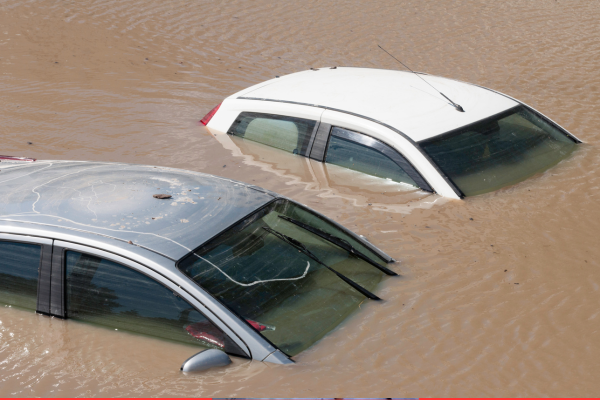
By mid-year 2025, nearly 45,000 vehicles had already been damaged by storms across the United States, according to new data from CARFAX. Many of those vehicles are now expected to quietly return to the used-car market, often far from the floods that damaged them.
Heavy rain and flash flooding between April and July submerged thousands of cars in Texas, Kentucky, and West Virginia. While floodwaters have receded, experts warn that the damage left behind is long-lasting and often hidden from buyers.
CARFAX estimates that more than 482,000 flood-damaged vehicles were already on U.S. roads at the start of 2025. The latest storms have added to that total, increasing risks in an already tense used-car market.
“Flood-damaged cars don’t stay in storm-hit areas,” said Faisal Hasan, vice president of data acquisition at CARFAX. “They move across state lines, get cleaned up, and are sold to buyers who never see the flood.”
Flood cars do not stay where the water hit
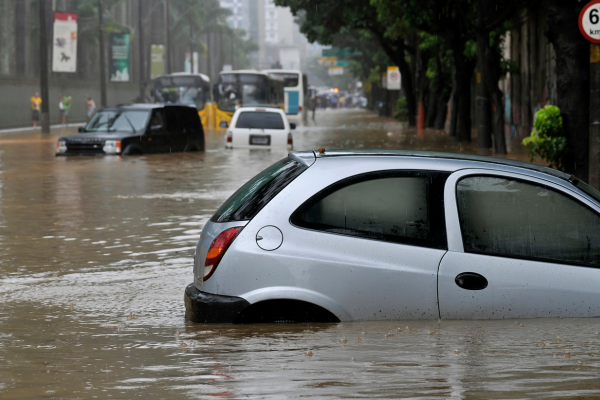
Florida and Texas lead the nation in flood-damaged vehicles already in circulation. But CARFAX data shows these cars often surface in states where flooding is not top of mind for buyers, including places like Pennsylvania and Illinois. That movement makes it harder for consumers to recognize the risk, especially when the car appears clean and well-priced.
What flood damage looks like after the cleanup
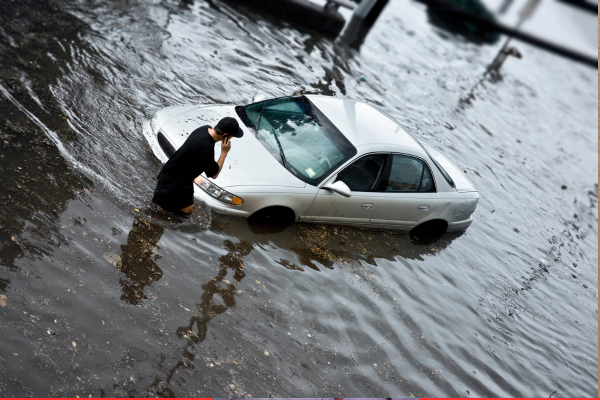
Experts say flood damage is rarely obvious at first glance. Many vehicles are detailed extensively before resale, hiding warning signs beneath fresh interiors. A musty odor is often the first clue, though an overpowering air-freshener smell can be just as suspicious. Rust around pedals, seat mounts, door hinges, or under dashboards may point to prolonged water exposure. Moisture trapped inside headlights, taillights, or dashboard displays often signals immersion. Mud or silt found under seats, inside trunks, or in glove compartments raises further concern. Mismatched or unusually new carpets in older vehicles may indicate recent replacement to hide soaked flooring. Brittle or corroded wiring under the dashboard is another common sign.
Pricing can be the strongest signal of all. Vehicles listed far below market value are rarely bargains. According to experts, extreme discounts often exist to move damaged cars quickly before problems surface.
Why flood cars are more than bad deals
Flood damage goes far beyond cosmetic issues. Modern vehicles rely on complex electronics to control everything from braking to airbag deployment. Many cars now contain over 100 electronic control modules, all vulnerable to water intrusion.
Saltwater and dirty floodwater cause slow corrosion inside circuit boards. These failures may not appear immediately. Weeks or months later, airbags may malfunction, ABS systems may fail, or immobilizers may stop working entirely. Brake lines can rust from the inside out. Wheel bearings and joints may lose lubrication. These risks turn flood cars into safety hazards, not just financial mistakes.
How flood cars get back on the road legally
After major floods, insurers often declare vehicles total losses. Some of these cars are sold cheaply at auctions. Unscrupulous buyers may then transport them to states with looser title rules. The car may emerge with a clean title, despite a flood history. This practice, known as title washing, allows damaged vehicles to reenter the market legally. A clean title alone does not guarantee a clean vehicle.
What experts say buyers must do before purchasing
Consumer advocates stress that buyers should never rely on a single document. Federal NMVTIS records provide broader title data than some state systems. The National Insurance Crime Bureau offers a free VIN check that can reveal insurance loss history. Vehicle history reports from CARFAX or AutoCheck add another layer of protection. Most importantly, independent mechanical inspections can uncover flood damage that paperwork misses.
The cost of an inspection is small compared with replacing electronic modules, which can run into tens of thousands of dollars.
When walking away is the safest decision
Even skilled mechanics struggle to fully repair flood-damaged vehicles. Mold can return after cleaning. Electrical faults often reappear unpredictably. Corrosion spreads silently and continuously. In many cases, repairs approach or exceed the vehicle’s market value.
CARFAX and federal regulators advise buyers who suspect fraud to contact the Federal Trade Commission, insurers, or the NICB.
“The safest flood car,” Hasan said, “is the one you don’t buy.”
Read more on Fake car parts flood South Africa’s market ahead of Black Friday sales







![tariff on Chinese imports [source www.brunswickgroup.com]](https://autojournal.africa/wp-content/uploads/2024/09/tariff-on-Chinese-imports-source-www.brunswickgroup.com_-120x86.png)