Electric cars could soon do more than move people. Toyota says they may help keep the lights on.
The world’s biggest carmaker is testing electric vehicles as mobile power stations. The aim is to support strained electricity grids, cut household energy costs, and improve resilience during blackouts. Toyota calls it a “win-win” for drivers and communities.
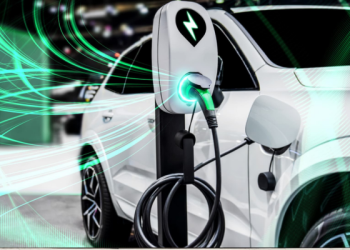
At its North American base in Plano, Texas, Toyota is running a pilot using vehicle-to-grid (V2G) technology. The project allows EVs to send stored electricity back into the power network when demand spikes. Similar trials are already underway in San Diego and Maryland.
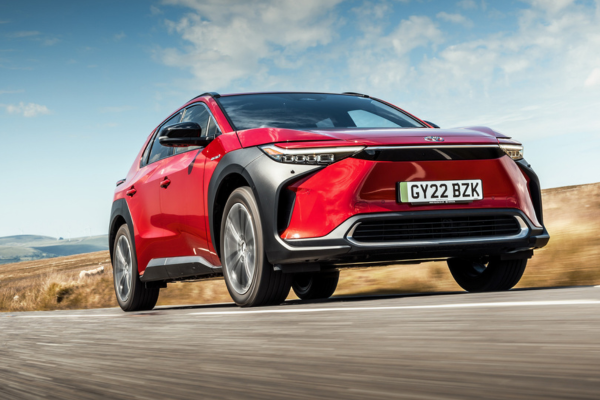
The Texas pilot involves energy giant Oncor and Fermata Energy’s bidirectional charger. A Japanese-spec Toyota bZ4X test vehicle is already feeding electricity back into the grid. The system decides when to charge or discharge based on prices and grid stress.
Power grids are under growing pressure. Extreme heat, stronger storms, ageing infrastructure and energy-hungry data centres are pushing demand to record levels. In parts of the US, peak demand has risen by more than 20% in the past decade.
Toyota argues EVs can help balance this strain. In a briefing, the company said America’s four million EVs could match the output of about 40 nuclear reactors. The US currently operates 94 reactors, which produced 18.2% of national electricity in 2023.
While EVs rely on the grid, bidirectional charging changes their role. Instead of only consuming power, cars can store cheap off-peak electricity and release it when demand is highest. That can reduce blackouts and stabilise prices.
Other manufacturers, including Ford, General Motors, Hyundai and Nissan, already sell vehicles with V2G capability. Toyota’s current models do not yet offer it commercially. However, the company says this research will shape future products.
The pilot, launched in 2022, is also studying home backup power. During outages, EVs could keep essential appliances running for hours or days. Toyota says this could be crucial during hurricanes, heatwaves and wildfires.
Utilities are closely involved. San Diego Gas & Electric and Maryland-based Pepco are analysing how vehicle fleets could delay costly grid upgrades. Extending the life of transformers and power lines could save billions over time.
Toyota believes drivers could benefit directly. By charging when electricity is cheapest and selling power back during peaks, owners may cut energy bills. The company also says smarter grids could lower overall carbon emissions.
“This pilot is a critical step in delivering value to customers, the grid and communities,” said Christopher Yang of Toyota Motor North America. “Bidirectional charging could help people save money while reducing emissions.”
For Toyota, the message is clear. The electric car of the future may not just drive. It may power homes, cities and emergency responses when they are needed most.
Read more on The ‘Holy Grail’ of EVs: Toyota’s solid-state battery could change everything