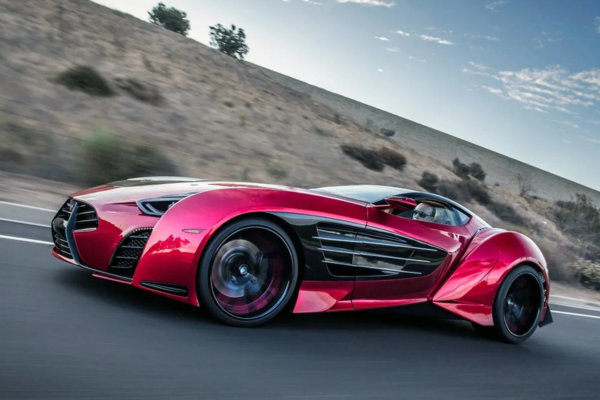
The car that works beautifully in London, Berlin, Dubai, or Tokyo may not be the car Africa needs most.
Across the continent, drivers face a different reality. Roads can be rough. Fuel prices can change suddenly. Spare parts can be expensive. Import duties can raise prices. Charging infrastructure is still limited in many countries. And for many families and small businesses, a vehicle is not a luxury item. It is a tool for survival.
This is why Africa needs a deeper conversation about the African car.
Not just a car sold in Africa, a car built for Africa’s reality.
The continent’s mobility demand is only going to rise. Africa’s urban population is projected to reach about 1.4 billion people by 2050, according to the OECD/African Development Bank’s urbanisation work. This growth will create pressure on public transport, logistics, delivery services, ride-hailing, commercial vehicles, and personal mobility.
As cities grow, people will need vehicles that are affordable, durable, easy to maintain, and suitable for daily African conditions.
For now, used vehicles remain central to the continent’s transport system. UNEP says Africa’s vehicle fleet is expected to grow four to five times by 2050, with 80% to 90% of that growth likely to come from imported used vehicles.
This creates both a challenge and an opportunity.
The challenge is clear. Older imported vehicles can increase maintenance costs, emissions, safety risks, and dependence on foreign supply chains.
But the opportunity is also powerful. Africa can build a stronger automotive future by focusing on local assembly, practical design, quality spare parts, technician training, and vehicles that match the needs of African users.
So, what should the African car look like?
First, it must be affordable. A vehicle designed for Africa cannot ignore income levels. Price matters. Financing matters. Maintenance cost matters. Fuel economy matters.
Second, it must be strong. Many African drivers need high ground clearance, strong suspension, reliable cooling systems, and vehicles that can handle bad roads, heat, dust, flooding, and long-distance travel.
Third, it must be easy to repair. A good African vehicle should not become useless because one expensive electronic part is unavailable. Spare parts must be accessible. Mechanics must be able to service it. Diagnostic systems must be supported locally.
Fourth, it must be safe. Africa cannot build its mobility future on unsafe vehicles. Better brakes, airbags, lighting, tyres, emissions systems, and structural safety must become part of the conversation.
Fifth, it must be ready for multiple energy realities. Petrol and diesel will remain important for some time. CNG is gaining attention in markets such as Nigeria. Hybrid vehicles may become a practical bridge. Electric vehicles will grow, but they must be supported by charging infrastructure, battery service knowledge, and stable power solutions.
The electric transition is already beginning, even if still small. The International Energy Agency reported that electric car sales in Africa more than doubled to nearly 11,000 units in 2024, although they still represented less than 1% of new car sales.
That means Africa should not wait until EVs become mainstream before preparing.
The continent needs a practical mobility strategy, not a copied one.
Africa’s future car may be electric in some cities, CNG-powered in others, hybrid in some markets, and highly efficient petrol-powered in places where infrastructure is still developing. The goal should not be one single solution. The goal should be mobility that is affordable, safe, clean, repairable, and suitable for African life.
This is where African manufacturers, assemblers, policymakers, banks, logistics companies, energy providers, and technology firms must work together.
The African car should not only move people.
It should create jobs. It should support mechanics. It should grow local parts supply. It should reduce transport costs. It should improve safety. It should help businesses move goods faster. It should give the continent more control over its automotive future.
Africa does not need to copy the world blindly.
Africa needs vehicles designed for its own roads, its own people, its own economy, and its own future.
With Autojournal, every page is a journey, and every story is a ride worth taking.
Read also: Fuel crisis pushes drivers into plug-in hybrids across South Africa