The global race for electric vehicle dominance took a dramatic turn this week as China unveiled a wave of high-performance machines and ultra-affordable models at the 2026 Beijing Auto Show, signalling a widening gap in both innovation and pricing power.
Spanning two massive exhibition centres, the show featured nearly 1,500 vehicles and more than 200 new debuts. But beyond the scale, it was the contrast that stood out: 1,000-horsepower electric supercars on one end, and sub-$20,000 EVs on the other.
Luxury Electric Vehicles redefine performance limits
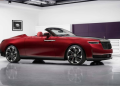
Leading the charge was the Denza Z, unveiled by BYD’s premium subsidiary Denza. The production-ready electric supercar boasts over 1,000 horsepower and can accelerate from 0 to 62 mph in under two seconds, figures typically reserved for elite hypercars.
Equipped with steer-by-wire systems and magnetorheological dampers, the Denza Z also introduces advanced EV charging infrastructure capabilities, supporting flash charging at rates of up to 1,500 kilowatts.
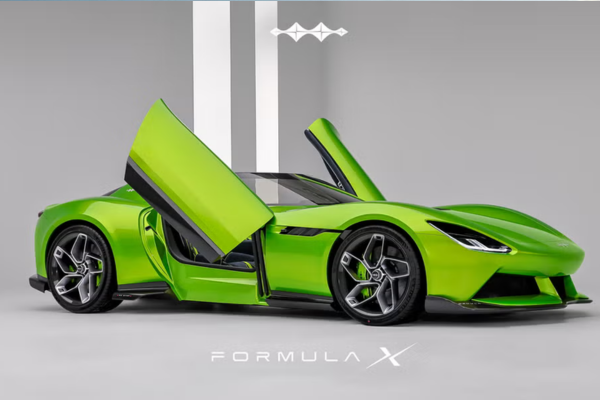
Not far behind was the radical Formula X from Fangchengbao, featuring a tri-motor setup delivering similar performance figures. Built with carbon fiber construction, the model highlights China’s growing expertise in high-performance EV technology.
Automotive manufacturing stocks eye expansion in EV arms race
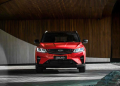
China’s ambitions were not limited to supercars. Stellantis-backed Leapmotor showcased the B05 Ultra, a compact EV priced at approximately $18,135 in China.
Despite its affordability, the vehicle delivers over 300 miles of range and a 0–62 mph time in the five-second range, metrics that rival significantly more expensive Western competitors.
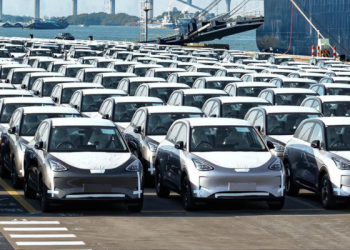
Such pricing reinforces China’s growing dominance in electric vehicle investment, as manufacturers scale production while maintaining cost efficiency.
Design and strategy shift toward China-first innovation
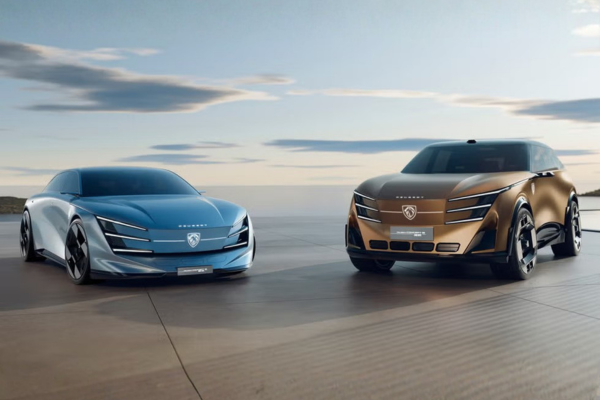
European automaker Peugeot also used the event to unveil its Concept 6 and Concept 8 models, signaling a strategic pivot toward China-focused design and product development.
Meanwhile, Lynk & Co introduced its “Time to Shine” GT concept, a performance-oriented coupe capable of sub-two-second acceleration, though its powertrain remains undisclosed.
The presence of global brands adapting to Chinese market demands underscores a broader shift in the automotive hierarchy.
The future of EV charging infrastructure and global competition
The technological leap on display, especially in fast-charging capabilities and high-output powertrains—suggests China is not only leading in production but also shaping the future of EV charging infrastructure.
As Western automakers grapple with supply chains and pricing pressures, China’s ability to deliver both cutting-edge performance and affordability could redefine global competition in the luxury electric vehicles market.
For investors and industry players, the message from Beijing is clear: the next phase of the EV revolution may already belong to China.
Read also: From luxury to ‘for parents’: How China turned on German cars