Safety remains one of the biggest concerns for car buyers, as nearly 40,000 people die each year on U.S. roads. While vehicles are safer than ever, Consumer Reports’ 2026 rankings show that not all new cars protect drivers equally.
Mazda stood out this year, taking multiple spots on Consumer Reports’ list of the 10 safest cars for 2026, while only one electric vehicle made the cut.
Consumer Reports evaluated vehicles based on crash avoidance, occupant protection, braking, handling, and standard advanced driver-assistance systems (ADAS). These include automatic emergency braking with pedestrian detection, blind spot monitoring, and rear cross-traffic alerts.
“Safety isn’t just about crash testing,” said Emily Thomas, associate director of auto safety at Consumer Reports. “A safe car has predictable handling and braking, controls that don’t distract you, and technology that can prevent a crash.”
Mazda leads 2026 safety rankings
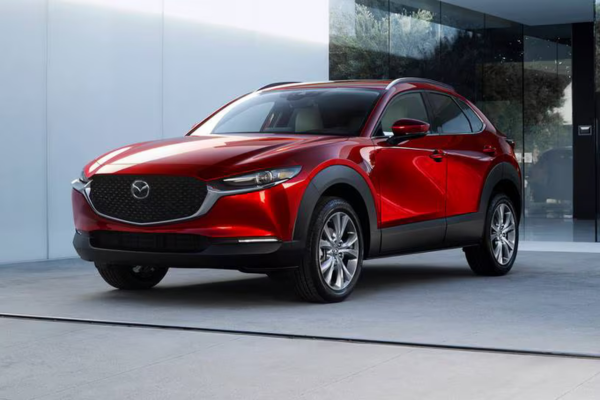
The Mazda CX-30 2026 was the only recommended subcompact SUV to earn Consumer Reports’ top safety rating. The CX-50 and Mazda 3 also made the list, giving Mazda the strongest presence among all brands.
Consumer Reports said Mazda’s strength comes from offering key protective technologies as standard equipment, rather than limiting them to higher trims.
Hybrids gain ground on safety and efficiency
Hybrid models also performed strongly. The Honda Accord Hybrid, Hyundai Santa Fe Hybrid, and Lexus NX Hybrid combined strong safety performance with fuel economy ranging from 34 mpg to 40 mpg.
The Santa Fe Hybrid and Ford Mustang Mach-E both earned IIHS Top Safety Pick+ awards.
Only one EV makes the cut
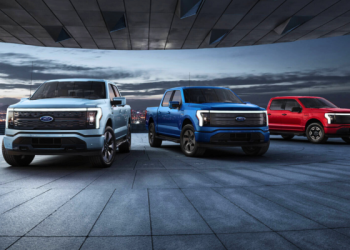
The Ford Mustang Mach-E 2026 was the only electric vehicle to rank among the top 10. Consumer Reports cited its strong crash results, nimble handling, and standard safety equipment.
The limited EV presence highlights ongoing concerns about electric vehicle safety performance, especially as buyers weigh new technology against proven designs.
Read also: New tech targets EV cable thieves as automakers push boundaries in range and innovation