The United States has awarded Boeing an $8.6 billion contract to supply advanced F-15 fighter jets to Israel, the Pentagon said on Monday, deepening Washington’s military support for its closest ally in the Middle East as the war in Gaza continues.
The contract covers the design, testing, production, and delivery of 25 new F-15IA aircraft for the Israeli Air Force, with an option to purchase 25 more, the Pentagon said in a statement.
The announcement came shortly after U.S. President Donald Trump met Israeli Prime Minister Benjamin Netanyahu in Florida, highlighting the close political and defence ties between the two countries.
The deal is part of the US Foreign Military Sales programme, which allows Washington to sell weapons to allied nations. The United States has long been Israel’s largest arms supplier, providing aircraft, missiles, and military systems worth billions of dollars over decades.
“This contract provides for the design, integration, instrumentation, test, production, and delivery of 25 new F-15IA aircraft,” the Pentagon said. “It also includes an option for an additional 25 aircraft.”
Boeing will carry out the work in St. Louis, Missouri, where the company builds and assembles its military aircraft. The Pentagon said the contract is expected to be completed by Dec. 31, 2035.
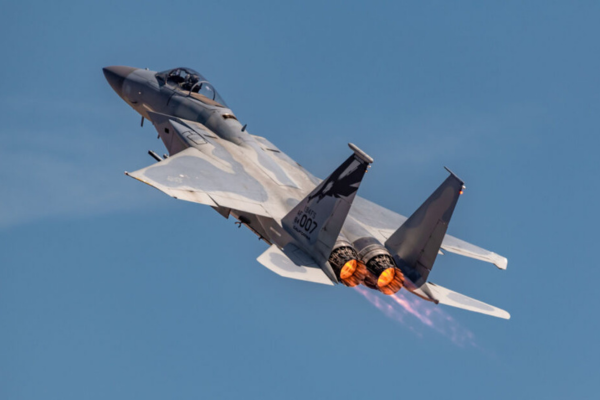
The F-15IA is expected to be a modernised version of Boeing’s long-serving F-15 fighter jet. The aircraft is designed for air superiority and long-range strike missions and can carry heavy payloads over long distances.
For Israel, the jets are expected to strengthen its air force at a time of heightened regional tension and ongoing military operations in Gaza.
Images from the region in recent months have shown Israeli military convoys operating in Gaza and fighter jets flying near the border. Israel says its air force plays a key role in defending the country and deterring threats from armed groups in the region.
The deal, however, comes amid growing criticism inside the United States over Washington’s military backing of Israel.
Pro-Palestinian and anti-war protesters have held demonstrations across several U.S. cities, calling on the government to halt arms sales to Israel. They say U.S. weapons are being used in an assault that has caused widespread destruction and civilian suffering in Gaza.
Those demands have not led to a change in policy under either President Trump or former President Joe Biden. Both administrations have continued to approve military aid and arms sales to Israel, citing long-standing security commitments.
The Pentagon did not comment on the protests or on how the aircraft would be used, saying only that the sale supports U.S. foreign policy and national security goals.
For Boeing, the contract provides a major boost to its defence business. The company has faced intense scrutiny in recent years over safety issues in its commercial aircraft division, making large military contracts an important source of stable revenue.
Defence analysts say long-term contracts like the F-15 deal help sustain U.S. manufacturing jobs while reinforcing strategic alliances abroad.
Still, human rights groups argue that continued arms sales risk deepening civilian harm in conflict zones. They have urged Washington to place stricter conditions on military support or pause sales until fighting ends.
The U.S. government has repeatedly said Israel has the right to defend itself, while also urging steps to reduce civilian casualties. Critics say those calls have not been matched by limits on weapons transfers.
As work on the aircraft begins in St. Louis, the deal is likely to remain a flashpoint in the wider debate over U.S. military aid, accountability, and the human cost of war.
Read more on Trump furious over Air Force One delays as Boeing scrambles to deliver