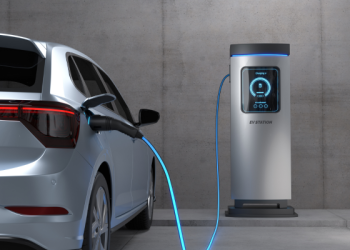
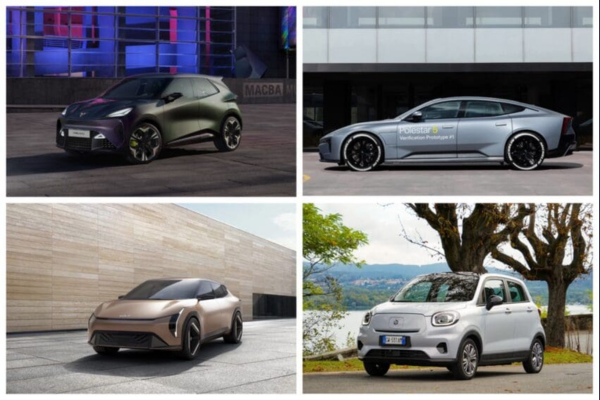
New car sales in Europe rose in November for the fifth straight month, driven by surging demand for electric vehicles (EVs), data from the European Automobile Manufacturers’ Association (ACEA) showed on Tuesday.
Sales in the European Union, Britain, and the European Free Trade Association rose 2.4% year-on-year to 1.1 million vehicles. Battery electric vehicles led the growth, reaching a 21% market share in the EU, 26% in the UK, and a record 98% in Norway.
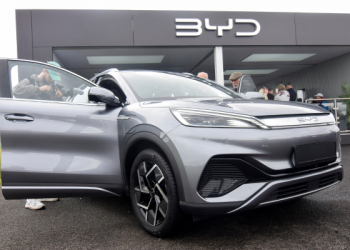
Volkswagen and Renault saw registration increases of 4.1% and 3% respectively, while Stellantis fell 2.7% after three months of gains. Tesla’s European registrations dropped 11.8%, partly offset by strong sales in Norway, while Chinese rival BYD saw a 221.8% surge, achieving a 2% market share alongside Tesla.
Across the EU, registrations of battery electric, hybrid electric, and plug-in hybrid vehicles collectively rose 44.1%, 38.4%, and 4.2%, reaching 65.6% of total registrations, up from 56% in August 2024.
“Despite the recent positive momentum, overall volumes remain well below pre-pandemic levels,” ACEA said.
The European Commission recently announced plans to abandon the 2035 ban on combustion engine cars, following pressure from the region’s auto industry. Analysts, however, say the long-term outlook remains firmly tilted toward electric mobility.
Industry experts say growth is supported by government incentives, expanding charging infrastructure, and stronger consumer awareness of EV benefits. Germany, Italy, and Spain were among the key markets fuelling the surge.
Europe’s auto industry faces challenges from Chinese competition, U.S. import tariffs, and the costs of meeting regulatory standards for EV adoption. But rising EV sales suggest the sector is adapting to new consumer preferences and environmental expectations.
“EVs are no longer niche products,” said an industry analyst. “They are shaping the future of Europe’s automotive market.”
Read more on Ferrari enters EV era with the stunning 330-mile Elettrica supercar