Nigerian motorists are getting a second dose of relief in under two weeks. Dangote Petroleum Refinery has again reduced the gantry (ex-refinery) price of petrol, also known as Premium Motor Spirit (PMS), according to a market survey published by Daily Post on Sunday, 29 November 2026.
The refinery’s petrol now leaves the gantry at about ₦1,039 a litre, down from ₦1,060, a reduction of ₦21. The Business Times has reported the new price as ₦1,035. The cut follows a much larger ₦99 reduction days earlier, when Dangote lowered its gantry price from ₦1,159 to ₦1,060 a litre.
What motorists are paying at the pump
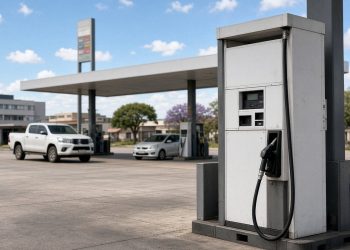
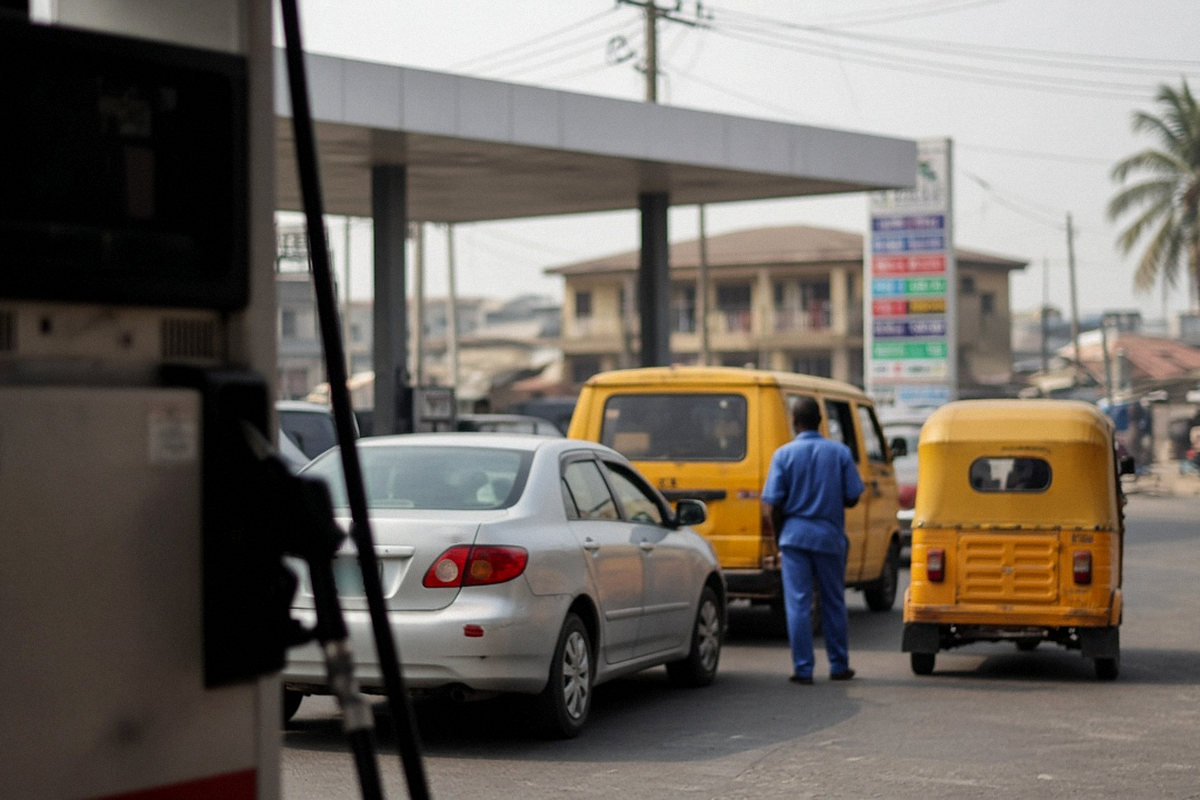
Gantry prices are what marketers pay to lift fuel, not what drivers pay. But the cuts are already showing up at filling stations:
- MRS cut its pump price in Lagos and Abuja to ₦1,295 a litre in a market survey on Tuesday, 24 November, down from ₦1,365. That followed an earlier ₦34 reduction from ₦1,399, a cumulative cut of ₦104 a litre, Legit.ng reported.
- NNPC reduced its retail price by ₦25 to ₦1,300 a litre over the same period, according to the same report.
- In Abuja and its environs, other retailers were selling at between ₦1,325 and ₦1,380 a litre at the time of that survey.
- By 29 November, Daily Post reported that filling stations and independent retailers had reduced pump prices to between ₦1,240 and ₦1,320 a litre, following successive gantry cuts.
Prices vary by location, marketer and how quickly each station replaces older, more expensive stock, so the price at your local station may differ.
How much can you save?
Using MRS’s figures, a motorist buying 50 litres now pays ₦64,750, compared with ₦69,950 at the ₦1,399 price before the two cuts, a saving of ₦5,200 per fill-up.
Why prices are falling
Two forces are at work. First, competition: as Africa’s largest refinery, Dangote’s pricing decisions now ripple quickly through Nigeria’s deregulated downstream market, and major retailers such as MRS and NNPC have been responding with their own cuts.
Second, global crude oil prices have eased. Reuters reported that Brent crude settled at $91.49 a barrel on 10 November, its lowest since late August, as fears of further escalation between the United States and Iran receded. Why Africa feels global fuel shocks faster and deeper is part of the same picture.
For context, the Major Energies Marketers Association of Nigeria (MEMAN) put the estimated import parity price of petrol at ₦958.52 a litre in a bulletin dated 26 November, as cited by Daily Post. Depot owners including Optima and Integrated were quoting ex-depot prices of ₦1,045 to ₦1,060 a litre.
Will transport fares and food prices follow?
That is the big question for millions of Nigerians who do not own cars but feel fuel prices through bus fares and market prices. As Legit.ng noted, whether wider transport and commodity prices fall will depend on how long the lower prices last and how quickly other marketers respond.
Some motorists are also watching alternatives such as CNG. AutoJournal Africa has reported on Nigeria’s 10-for-10 CNG conversion campaign and Dangote Group’s commitment to CNG fleet conversion.
What to watch
- Further gantry adjustments from Dangote as crude prices move.
- Whether NNPC and independent marketers match MRS’s lower pump price nationwide.
- Exchange-rate movements, which affect the naira cost of crude and imported fuel.
AutoJournal Africa will keep tracking pump prices across Lagos, Abuja and other major cities.
Sources: Daily Post (29 November 2026); Legit.ng (25 November 2026); The Business Times (November 2026); PetroleumPrice.ng depot prices weekly review, 23–27 November 2026; Reuters (10 November 2026).