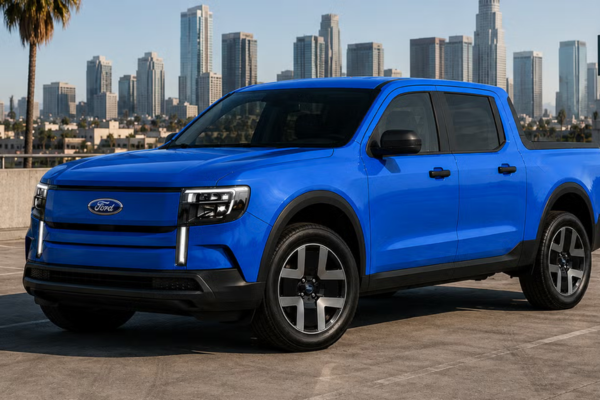
Ford’s planned affordable electric pickup could offer American buyers a cheaper route into electric motoring. However, concerns about dealership markups are threatening to undermine its price appeal before preorders begin.
The Ford Fathom EV is being marketed as a practical, work-focused electric truck costing less than $30,000. But potential customers are questioning whether they will pay the advertised price when the vehicle finally arrives.
The concern centres on Ford’s reservation terms, which state that the dealer sets the selling price. For some buyers, the wording brings back memories of the F-150 Lightning launch, when dealerships reportedly demanded thousands of dollars above the advertised price.
Why buyers are worried about the Fathom EV
The Fathom EV has attracted attention because of its planned starting price of $28,350, before destination charges. That makes the pickup an appealing option for customers who want an electric work vehicle without paying premium prices.
However, a report by Torque News highlighted concerns about the reservation process. The publication pointed to wording that leaves the final selling price to individual dealerships.
The issue has also sparked discussion among prospective buyers on Reddit. One user expressed disappointment, suggesting that the latest reservation terms had revived concerns about dealership pricing practices.
For customers working within tight budgets, even a modest surcharge could undermine the truck’s affordability. A $3,000 markup would increase the $28,350 starting price by about 10.6%, while a $5,000 increase would add approximately 17.6%.
Those figures exclude any additional destination charges, taxes or dealer-installed accessories. Buyers could therefore face a substantially higher bill than the headline price initially suggests.
Memories of the F-150 Lightning launch
The concerns are rooted partly in experiences during the launch of Ford’s F-150 Lightning electric pickup.
In 2022, some reservation holders reported encountering substantial dealer markups when they attempted to complete their purchases. One customer, posting on an F-150 Lightning forum, described being quoted an additional $10,000 by a dealership.
The surcharge would have added a significant amount to the vehicle’s purchase price. For buyers who had already waited months for delivery, refusing the increase could mean abandoning their order.
That experience has fuelled fears of what some shoppers describe as a ‘delivery-day flip’. The term refers to a situation in which customers discover that the final price is considerably higher than expected when their vehicle arrives.
The practice can put buyers in a difficult position. After investing time in the reservation process and waiting for delivery, some may feel pressured to accept the higher price rather than start again with another dealership.
Why an early reservation may not guarantee the price
A reservation can secure a customer’s place in the ordering process without necessarily fixing the final purchase price.
Under the traditional franchise dealership model, independent dealers generally determine their own selling prices. This means a manufacturer’s advertised price does not automatically guarantee that every dealership will sell a vehicle at that amount.
The time between placing an order and taking delivery can make the situation more complicated. Customers may select their preferred configuration months in advance, while the final transaction price is settled closer to delivery.
By that stage, buyers may have fewer convenient alternatives, particularly if other dealerships have limited stock or long waiting lists.
Ford chief executive Jim Farley has publicly criticised excessive dealer markups and discussed measures to discourage the practice. However, franchise laws in many US states limit how directly traditional automakers can control independent dealerships.
This creates a challenge for manufacturers promoting affordable electric vehicles. Even when a company announces an attractive starting price, the final amount paid by customers can depend on individual dealership decisions.
Could dealer markups damage demand for electric vehicles?
The pricing dispute matters beyond Ford and its prospective customers. It could also influence how consumers perceive the affordability of electric vehicles.
High upfront costs remain an important consideration for people deciding whether to buy an electric car or truck. An unexpected surcharge could discourage customers who are already concerned about purchase prices, charging access and ownership costs.
It could also distort perceptions of demand. If customers cancel reservations because dealerships increase prices, the resulting cancellations might be interpreted as weakening interest in electric vehicles rather than dissatisfaction with the buying process.
For Ford, maintaining customer confidence will be important as it seeks to attract buyers who might otherwise choose a conventional petrol-powered pickup.
Clear pricing could help reduce uncertainty and encourage customers to complete their purchases. However, the effectiveness of that approach will depend partly on the terms offered by individual dealerships.
How buyers can protect themselves
Prospective Fathom EV customers can take several steps to reduce the risk of unexpected charges when preorders open in early 2027.
First, buyers should ask their chosen dealership to confirm the agreed price in writing. A signed buyer’s order or dealer order receipt should clearly state the vehicle’s price, any dealer adjustments and all additional fees.
Customers should also request an itemised breakdown of charges. This can help distinguish legitimate costs, such as destination charges and applicable taxes, from discretionary markups or unwanted accessories.
Comparing offers from several dealerships may provide additional protection. Buyers can look for dealers that publicly commit to selling factory-ordered vehicles at the manufacturer’s suggested retail price (MSRP).
Understanding local deposit rules is equally important. A reservation payment does not necessarily guarantee a particular price, and the terms can vary according to the agreement and applicable state law.
If a dealership refuses to confirm the price in writing, customers may wish to consider another retailer before committing further money.
Is direct-to-consumer sales the answer?
The controversy also highlights a broader debate about how electric vehicles should be sold.
Companies pursuing direct-to-consumer models, including Slate Auto, have attracted interest from buyers seeking simpler and more transparent purchasing arrangements. Depending on the business model and applicable laws, selling directly can give manufacturers greater control over advertised prices and the customer experience.
However, direct sales are not automatically cheaper, and their availability depends on state regulations. The final cost still depends on the vehicle’s specification, delivery charges, taxes and other applicable fees.
For the Fathom EV, the key question is whether Ford’s advertised affordability will translate into the price customers actually pay.
A starting price of $28,350 could make the electric pickup attractive to cost-conscious buyers. But if significant dealer markups appear at the final stage, that advantage could quickly disappear.
Ultimately, the Fathom EV’s success may depend on more than its technology or starting price. Buyers will also want confidence that the price they see at the beginning is close to the price they pay at delivery.