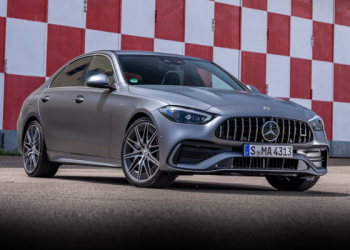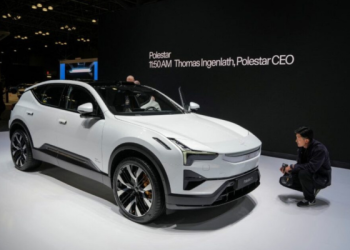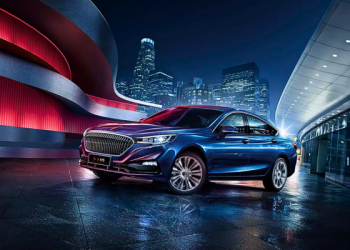
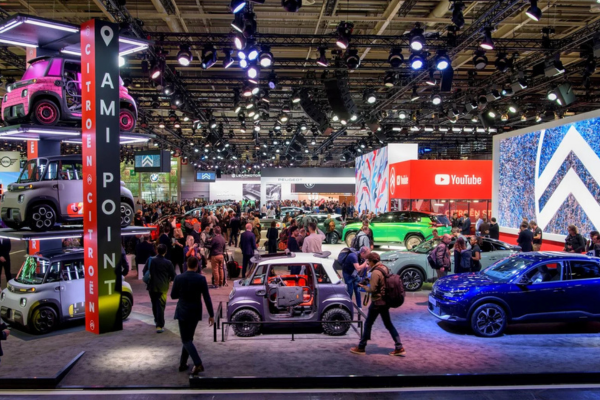
European and Chinese automakers launched a massive product blitz at the Paris car show on Monday. Competing companies are expected to unveil up to 60 new models. The sudden rush of new vehicles comes as the intense global fight for automotive market share reaches a boiling point.
The high-stakes trade show opened just days after the European Union and China reached a tentative deal. The new agreement places a strict cap on Chinese hybrid imports at 350,000 units a year. The sudden flood of cheap hybrid vehicles into the economic bloc is “not sustainable” for local factories, warned Renault CEO Francois Provost, who noted the current deal is “better than a trade war.”
EV Price War Forces Chinese Expansion
Around 20 Chinese car brands are attending the major Paris event this week. Top players like BYD and Chery have doubled their presence compared to the 2024 show. These companies face a grueling domestic EV price war and falling sales in their home market. Tripling their exports of hybrids to EU states to $7.5 billion in the first half of this year helped them gain rapid market share.
However, the new hybrid vehicle import cap will hit specific companies very hard. Analysts at Jefferies stated that BYD, Chery, and state-owned SAIC’s MG brand accounted for a massive 90% of Chinese brand hybrid sales in the EU during the first eight months of 2026.
“Those who sell here should compete under comparable conditions and create jobs and value here in Europe too,” said Volkswagen CEO Oliver Blume. The massive German carmaker desperately needs a turnaround. Volkswagen deliveries fell 14.3% in the third quarter, marking its steepest quarterly drop in four years due to a sharp decline in Chinese consumer demand.
Legacy Brands Fight Back with New Car Models
To fight back against foreign competition, world No. 4 automaker Stellantis is launching six new models and nine concept cars. Stellantis CEO Antonio Filosa promised attendees they would “witness the reinvention of a European icon.” The company drew massive crowds by unveiling an affordable, retro electric version of the classic Citroen 2CV to defend its home turf. “Our great brands never stand still,” Filosa stated.
To lower manufacturing costs and speed up production, Stellantis is teaming up with China’s Leapmotor. They plan to build small electric vehicles in Pomigliano, Italy, using an e-car platform developed at Fiat’s Mirafiori plant.
The Fight for Automotive Sovereignty
Domestic pressure is mounting as car sales in China fell by 20% in the first half of 2026. Because the U.S. market is effectively closed to them, Europe has become the primary target for survival. “If they drop exports in Europe they die because they can’t make the money elsewhere,” warned Francois Roudier of the International Organisation of Motor Vehicle Manufacturers.
New Chinese players like Aito, Nevo, and Avatr are entering the space. In response, the European Commission is working on strict ‘Made in Europe’ legislation. This policy mandates minimum local manufacturing content for any electric vehicles sold in the region.
French President Emmanuel Macron confirmed that an agreement between France and Germany on these provisions is imminent. “Preserving this European sovereignty and our capacity to manufacture within Europe is crucial for us,” Macron declared at the show.
Read also: Chinese car brands double to 20 at Paris Show as European carmakers face pressure