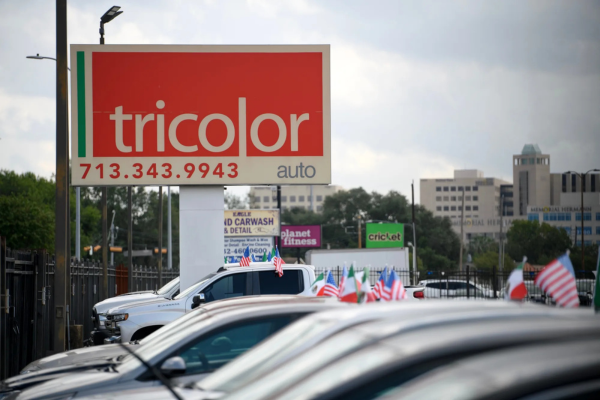
The collapse of Tricolor Holdings is sending shockwaves through the US automotive finance industry, raising fresh concerns about transparency and investor confidence. The company, once regarded as a fast-growing lender serving customers with limited access to traditional credit, has filed for Chapter 7 bankruptcy after prosecutors uncovered an alleged multi-million-dollar fraud.
Federal prosecutors claim company executives manipulated loan records and used the same vehicle loans as collateral for multiple lenders. Investigators estimate the alleged scheme involved around $800 million in duplicated collateral, making it one of the largest fraud cases to hit the US subprime auto-finance sector in recent years.
According to court filings, Tricolor allegedly falsified loan information to secure additional funding from financial institutions. By pledging the same assets more than once, prosecutors believe the company created an inaccurate picture of its financial health while continuing to attract investors and lenders.
The allegations have placed former senior executives under intense legal scrutiny. The company’s former Chief Executive Officer has pleaded not guilty, denying the accusations brought against him. Legal proceedings are expected to continue as investigators work to determine the full extent of the alleged fraud and identify everyone involved.
Tricolor built its business by providing vehicle financing to borrowers who often struggled to obtain loans through mainstream banks. The company expanded rapidly by offering credit to underserved communities, positioning itself as a technology-driven lender focused on financial inclusion.
However, investigators believe the company’s reported loan portfolio may not have accurately reflected its financial position. Prosecutors argue that falsified records helped maintain access to funding while concealing growing financial risks from investors.
The bankruptcy filing under Chapter 7 means the company will cease operations and its remaining assets will be liquidated to repay creditors where possible. Customers with existing loans are expected to receive further instructions from the court-appointed trustee or servicing organisations responsible for managing outstanding accounts.
Industry analysts say the case highlights the growing need for stronger oversight across the automotive lending industry, particularly in the fast-growing subprime market. Investors are also expected to demand stricter verification of loan portfolios before providing future financing to similar businesses.
The collapse comes at a time when rising interest rates, higher vehicle prices and increasing loan defaults are already putting pressure on automotive finance companies across the United States. The Tricolor case is likely to encourage regulators and lenders to strengthen compliance procedures and improve transparency throughout the industry.
For consumers, the scandal serves as a reminder that trust remains one of the most valuable assets in financial services. As investigations continue, the outcome could reshape how lenders report loan assets, secure funding and manage risk across the automotive finance sector.
Read also: Yahoo Finance lists countries where pilots earn the most in 2024