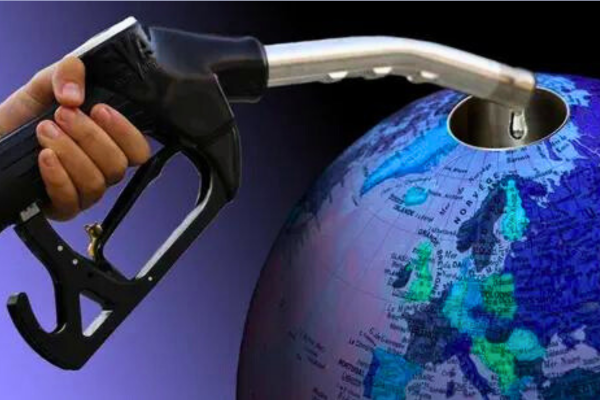
The Trump administration on Wednesday proposed a sharp rollback of US fuel economy rules, saying the move could revive once-popular station wagons and cut upfront vehicle costs, even as environmental groups warn it will raise emissions and fuel spending for millions of Americans.
Transportation Secretary Sean Duffy said weaker fuel standards would give carmakers more freedom to build a wider range of vehicles, including the long-gone wagon. “This rule will actually allow you to bring back the 1970s station wagon, maybe even with wood paneling,” Duffy said in a CNBC interview. “We want to bring back consumer choice. The minivan is great, but maybe the station wagon is cool too.”
The National Highway Traffic Safety Administration (NHTSA) said past regulations forced automakers to reshape the market in unexpected ways, including “almost eliminating the production of station wagons.” U.S. automakers stopped building full-size wagons in the mid-1990s, while smaller versions survived until 2008.
Cars face tougher fuel standards than trucks, and station wagons are classified as passenger cars. Minivans and crossovers, however, fall under the “light truck” category, which comes with more relaxed rules.
NHTSA Administrator Jonathan Morrison raised the wagon issue with automakers earlier this week, signaling the administration’s interest in reshaping market dynamics.
Under the proposal, fuel economy requirements for model years 2022 to 2031 would fall sharply. Carmakers would need to hit an average of 34.5 miles per gallon by 2031, instead of the 50.4 mpg originally required under Biden-era rules.
The agency says the rollback would cut average upfront vehicle costs by $930. But it would also increase fuel consumption by about 100 billion gallons through 2050, push Americans to spend up to $185 billion more at the pump, and raise carbon dioxide emissions by roughly 5%. Transportation remains the single largest source of U.S. greenhouse gas emissions.
Earlier this year, Trump signed legislation ending fuel economy penalty fees for automakers, wiping out fines tied to standards dating back to 2022.
European shares surge
The U.S. policy shift sent a wave of optimism across Europe’s auto sector on Thursday. Shares of major carmakers rose between 2.5% and 5% in early trading after Trump’s proposal was announced.
By 0930 GMT:
- Porsche jumped more than 5%
- Mercedes and Volvo Cars gained nearly 4%
- Renault rose 3.3%
- Stellantis climbed 2.7% after an 8% surge on Wednesday
A trader said the U.S. move could make it easier for carmakers to keep selling gasoline-powered models in America, lowering compliance costs and boosting short-term margins.
Stellantis CEO Antonio Filosa said the company welcomed cooperation with U.S. regulators on policies that “allow customers the freedom to choose the vehicles they want at prices they can afford.”
Volvo Cars, which plans to become fully electric by 2040, said it was too early to assess the fallout. The company previously said it would continue building multiple hybrid models in the U.S., including one expected in 2029.
Analysts said the rollback was expected, but it still lifted the sector. Equita analyst Martino De Ambroggi noted that the European Union is also considering easing its own 2035 ban on combustion engines, which could further support traditional carmakers.
Industry officials said the European Commission may delay announcing its auto industry support package, which could include major revisions to electrification targets.
Read more on: India’s ethanol fuel drive faces backlash as motorists fear car damage

![Tesla [Reuters]](https://autojournal.africa/wp-content/uploads/2026/04/Tesla-Reuters-350x250.png)