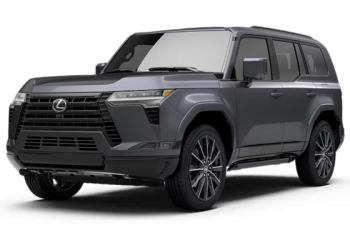
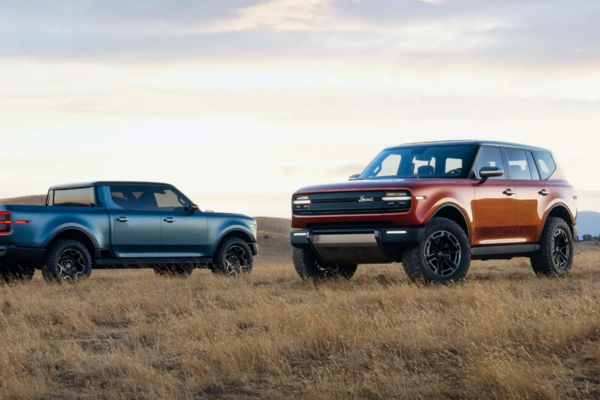
Volkswagen’s revived Scout Motors brand, set to launch electric pickups and SUVs inspired by the International Harvester Scout, is facing a legal hurdle even before its first vehicle hits the road. A lawsuit in Colorado challenges Scout Motors’ plan to sell vehicles directly to consumers, bypassing dealerships.
Dealers Push Back Against Direct-to-Consumer Model
A coalition of Volkswagen, Audi, and Porsche dealers has sued Colorado officials, arguing that Scout was wrongly granted a license to sell without traditional franchises. Dealers contend this model gives Volkswagen an unfair advantage, claiming Scout’s vehicles are not purely electric due to small petrol engines used as range extenders.
Under Colorado law, exemptions exist for EV-only brands like Tesla, Rivian, and Lucid. Scout argues that its extended-range engines generate electricity only, not mechanical power, keeping the vehicles within the legal EV definition.
Industry-Wide Implications
his case could set a national precedent. Automakers, including Ford and Ram, are developing extended-range EVs, suggesting that the definition of electric vehicles is evolving. If Scout wins, direct-to-consumer EV sales could accelerate across the U.S., giving buyers more control and potentially lowering costs.
Volkswagen’s Strategic Gamble
For Volkswagen, the stakes are high. Scout operates as an independent American brand, allowing VW to compete against its own dealer network. Direct sales could enable Scout to control pricing and the customer experience, but failure could delay its rollout and force redesigns.
As the court case unfolds, the broader EV market is watching closely. The outcome could redefine how Americans buy electric vehicles and influence the strategies of legacy automakers adapting to a fast-changing market.
Read more on Volkswagen revives classic names as it powers toward an electric future