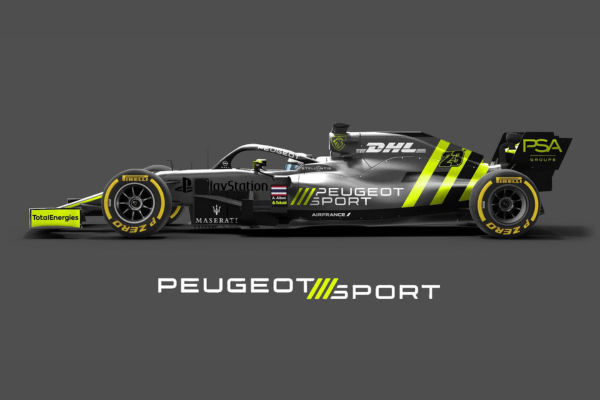
Peugeot’s disastrous foray into Formula 1 in the 1990s remains one of motorsport’s starkest warnings: even established automotive giants can fail spectacularly if ambition outpaces preparation. As Audi and Cadillac gear up to enter F1 under new hybrid engine regulations, Peugeot’s story offers critical lessons.
Peugeot’s road to F1 failure
After dominating sports car racing in the early 1990s, Peugeot moved to F1 via a partnership with McLaren in 1994. The engines, however, were underpowered and unreliable, frustrating drivers Mika Hakkinen and Martin Brundle. McLaren endured its first winless season since 1980. A tense public fallout between executives foreshadowed Peugeot’s eventual departure.
Peugeot then joined Jordan in 1995, achieving occasional podiums but struggling with reliability. Prost-Peugeot in 1998–2000 faced further setbacks: engine power deficiencies, intra-team conflicts, and missed points culminated in the team finishing last in the Constructors’ Championship in 2000.
Lessons for Audi and Cadillac
Peugeot’s failure underscores two clear strategies for new F1 entrants:
- Prioritise technical development and engine reliability from day one.
- Minimize internal politics to maintain focus under pressure.
Unlike Peugeot, both Audi and Cadillac have benefited from multi-year development programs and experienced F1 personnel. Analysts say these factors increase the likelihood of avoiding Peugeot-style humiliation. For investors and industry watchers, the F1 grid now represents a high-stakes test of technology, strategy, and brand resilience.
Read more on F1 2026: Mercedes, Ferrari, and Red Bull reveal radical new Car