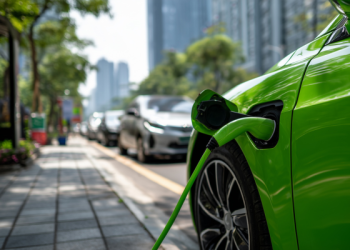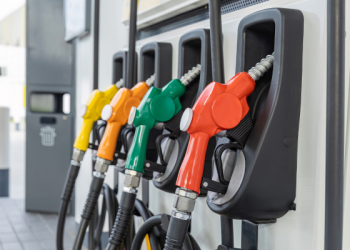
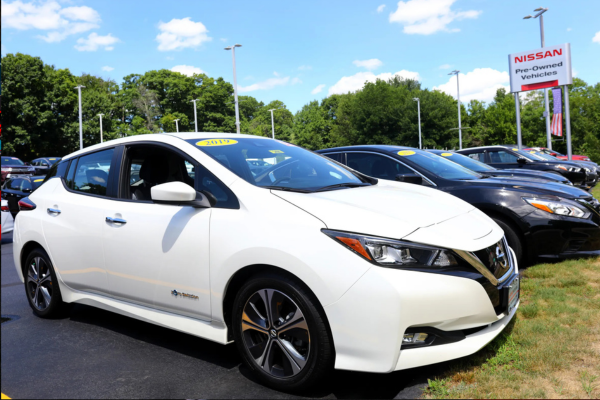
A massive conflict in the Middle East has sent petrol prices skyrocketing, forcing Australian drivers to ditch gas-guzzlers.
With fuel prices up 80 cents per litre, March data shows a sharp jump in Battery Electric Vehicles registrations. As the government prepares for fuel rationing after Easter, the demand for affordable transport has moved from the showroom to the auction house.
The Rise of the Secondhand EV Market
Most Australians do not buy new cars. In fact, people buy two used cars for every one new car sold. For years, the high cost of new EVs was a barrier. Now, cost-conscious families are hunting for used models to avoid “fuel price pain.” These vehicles often come from expired Novated Lease Agreements or government fleets. Because EVs are much cheaper to run, they are becoming a “lifeline” for people living in the outer suburbs.
New Financing and Government Support
The Clean Energy Bank recently announced a $100 million program. This plan offers discounted loans for both new and used EVs. While the government has cut the Fuel Excise Tax to help, experts say it is not enough. To truly help low-income families, Australia may need to look at “social leasing” programs like those used in France.
Impact of the Global Oil Crisis
The International Energy Agency warns this Global Oil Crisis could be worse than the shocks of the 1970s. For many, the switch to electric is no longer just about the environment; it is a financial necessity. Without a steady supply of affordable EVs, many Australians risk being left behind as transport costs continue to rise.
Read also: Renault’s EV strategy signals end of fuel-only cars in Europe