Chinese automaker Geely Holding Group says it is still considering entry into the U.S. market, but only if trade conditions and regulatory barriers shift in its favor, with a final decision expected by 2029.
Speaking in Beijing, executive vice president Victor Yang said Geely is not pursuing a short-term launch but is actively studying whether it can overcome U.S. EV tariffs, connected car regulations, and cybersecurity restrictions that currently make entry highly complex.
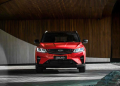
“At CES, we showed the latest car, the 9X, and people loved it a lot,” Yang said, referring to strong interest in Geely vehicles at the Consumer Electronics Show.
U.S. EV Tariffs and Market Access Barriers
Yang said the company wants an “open and equal environment” to compete, highlighting structural barriers including tariffs and political resistance from domestic automakers.
The U.S. is currently tightening restrictions on Chinese automotive technology, with software bans starting in 2027 and hardware restrictions coming into force in 2030. These rules directly affect how companies like Geely can design, assemble, and sell vehicles in the country.
Connected Car Regulations and Cybersecurity Pressure
Geely said compliance with U.S. data and software rules remains one of the biggest hurdles. These include limits on connected vehicle systems and automated driving technologies tied to Chinese suppliers.
The company is evaluating whether it can adapt by shifting toward local assembly strategies, redesigned software systems, and alternative supply chains outside China.
Robotaxi Supply Chain Already in Motion
Despite barriers, Geely already has indirect exposure to the U.S. market. The company confirmed it supplies base vehicles for Waymo robotaxi fleets, a purely B2B operation that avoids consumer market restrictions.
Geely also benefits from its global structure, with Volvo Cars manufacturing vehicles in South Carolina and Polestar Automotive expanding its U.S. footprint through local production.
Rising Interest in Chinese EVs
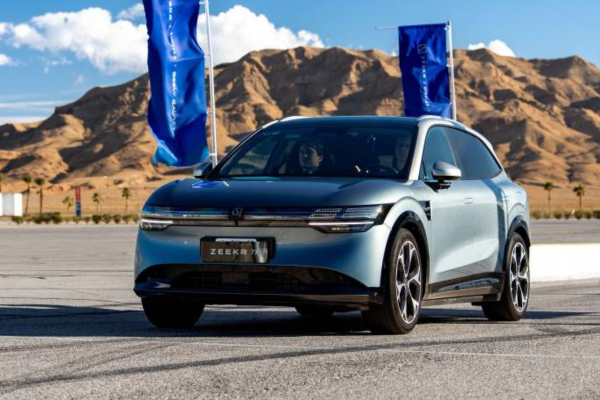
Interest in Chinese EVs is growing in the U.S. through social media exposure, with brands like Zeekr and Lynk & Co gaining traction among tech-focused audiences.
Geely executives say vehicles such as the Galaxy M9 and Zeekr models demonstrate global competitiveness in design, performance, and electric range, but acknowledge that regulatory approval remains the deciding factor.
“There is no guarantee,” Yang said, referring to market entry prospects. “But we will evaluate everything over the next two to three years.”
For now, Geely’s U.S. future remains suspended between innovation appeal and regulatory resistance—with 2029 marking a critical decision point.
Read also: From luxury to ‘for parents’: How China turned on German cars