Workers and local communities could see thousands of jobs saved as Volkswagen AG explores new ways to keep one of its factories alive.
The German carmaker is reportedly considering a shift from vehicle production to defence-related manufacturing at its Osnabrück plant. The move, if confirmed, could protect around 2,300 jobs currently at risk as production lines face closure by 2027.
The proposal centres on a potential partnership with Rafael Advanced Defense Systems, the firm behind Israel’s widely known Iron Dome. Talks were first reported by the Financial Times, citing sources familiar with the discussions.
A Factory at a Crossroads
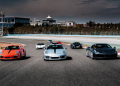
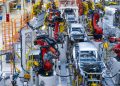
The Osnabrück facility in Lower Saxony currently produces niche vehicles, including the Volkswagen T-Roc Cabriolet and sports cars for Porsche. However, these models are scheduled to be discontinued within the next two years, placing the plant’s future in doubt.
Without a replacement project, the site faces potential shutdown. That would mark a significant loss for the region’s industrial base and workforce.
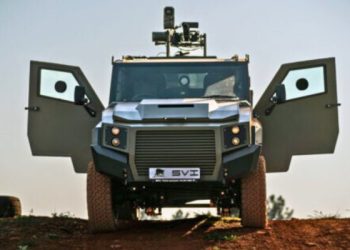
Instead, the reported plan would repurpose the factory for defence-related production. This includes building support vehicles and power systems linked to the Iron Dome, rather than weapons themselves.
Not Weapons—But Strategic Systems
Volkswagen has been careful to distance itself from direct weapons manufacturing. A company spokesperson stressed that “the production of weapons remains ruled out”, reinforcing the brand’s long-standing industrial identity.
However, the proposed work would still play a role in defence infrastructure. Components produced in Germany could also be supplied to other European nations, reflecting growing regional demand for security systems.
If approved, the transformation could take between 12 and 18 months, supported by the German government as part of wider efforts to strengthen defence capabilities.
Balancing Industry, Ethics, and Survival
The discussions highlight a broader shift across Europe’s industrial landscape. Carmakers are increasingly under pressure to adapt as traditional vehicle demand evolves and electrification reshapes production.
For Volkswagen, the Osnabrück plant represents a difficult balancing act. The company must protect jobs and remain competitive, while navigating ethical and political sensitivities around defence partnerships.
For now, no final agreement has been confirmed. Volkswagen says it is still exploring “various options” to secure the plant’s future.
But for the workers on the ground, the stakes are clear: the next decision could determine whether the factory continues to produce or falls silent.
Read also: How Volkswagen built 5 million electric drive units and why it matters