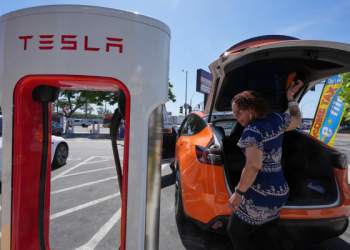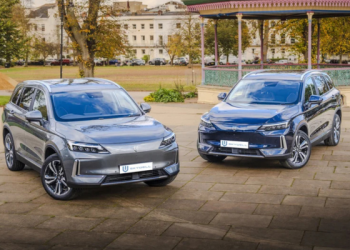
Kenya Power earned Sh125.9 million from electric vehicle (EV) charging in 2025, reflecting the growing adoption of electric cars and motorcycles across the country. The utility said electricity consumption for EV charging more than doubled to 8.4 million kWh, up from 3 million kWh in 2024.
E-Mobility Tariff Spurs Uptake
Since March 2023, 205 customers have joined the company’s special e-mobility tariff, paying Sh16 per unit during peak hours and Sh8 during off-peak hours. The tariff is designed to make EV adoption more affordable while supporting Kenya’s shift toward sustainable transport.
Government Incentives Fuel Growth
The increase aligns with policy support from the National Electric Mobility Policy, launched on February 3, 2026, and tax incentives under the 2025 Finance Bill, which include zero-rated VAT and reduced excise duty on electric buses, motorcycles, bicycles, and lithium-ion batteries.
Expanding Infrastructure
Kenya Power has installed EV chargers in Nairobi and plans to expand to Mombasa, Nakuru, Nyeri, Eldoret, and Voi. The company also aims to grow its own EV fleet to 20 vehicles and 100 electric bikes by the end of 2026, reinforcing its commitment to sustainability.
EVs on Kenya’s Roads
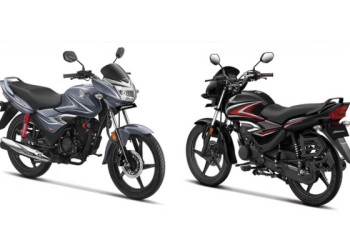
By 2025, over 35,000 electric vehicles had been registered in Kenya, predominantly two-wheelers used by boda boda operators and delivery firms. Kenya Power’s Managing Director, Joseph Siror, emphasized that over 90 percent of electricity supplied is renewable, highlighting the synergy between EV adoption and clean energy investment.
As Kenya accelerates its green transport agenda, both consumers and businesses are exploring how e-mobility can reduce costs and carbon footprints, signalling a pivotal shift in East Africa’s energy landscape.
Read also: Kenya bets on EVs to cut fuel imports and create jobs as local assembly surges 16%