A US technology firm says it has developed a faster and cheaper way to produce lithium for electric vehicle batteries. The innovation could reduce battery costs and strengthen domestic supply chains. Industry experts say the shift could accelerate the global transition to electric mobility.
NewGenium has unveiled a new lithium extraction method using salt-rich brine, a common natural resource. The process, known as direct brine-to-lithium-iron-phosphate (LFP), skips several traditional mining steps. As a result, production becomes quicker, cleaner, and significantly less expensive.
Conventional lithium extraction relies on vast evaporation ponds, where brine sits for months or even years. These ponds consume large areas of land and generate significant waste. NewGenium’s method removes the need for evaporation entirely, cutting both time and environmental impact.
At the centre of the breakthrough is a process the company calls Super Synth. It combines lithium extraction and battery-grade material synthesis into a single operation. This eliminates the need for overseas processing, a major cost and supply-chain risk.
According to industry estimates cited by Charged EVs, the new process costs around $3 per kilogram of lithium produced. Current market prices range between $5 and $15 per kilogram. That reduction could translate directly into lower battery and vehicle prices.
Global demand for lithium-ion batteries has surged alongside electric vehicle adoption and renewable energy storage. The International Energy Agency estimates lithium demand could grow more than sixfold by 2030. Faster production methods are increasingly seen as essential to meeting that demand.
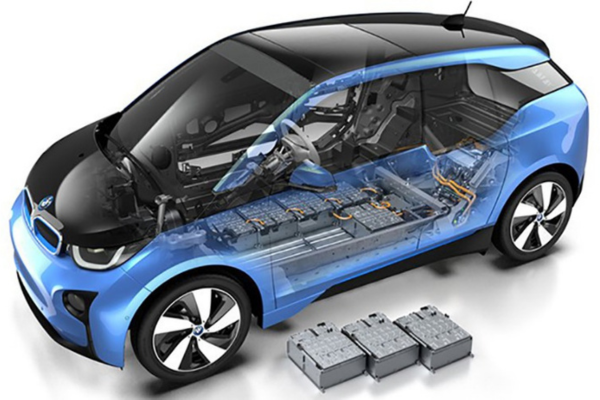
Lower lithium costs could make electric vehicles more affordable for consumers. Batteries account for up to 40% of an EV’s total cost, according to BloombergNEF. Any reduction in raw material prices could significantly shift market accessibility.
NewGenium says its approach also generates far less solid waste than traditional mining. The process supports a more circular energy economy, reducing dependence on fossil fuels. Environmental analysts say this could ease public concerns around battery sustainability.
The company believes the technology could help the United States reduce reliance on imported battery materials. Today, much of the world’s lithium processing occurs outside the US. Domestic production could strengthen energy security and stabilise prices.
NewGenium’s chief executive, Christopher Murphy, said the company was “thrilled” by the breakthrough. He added that the process could make domestic battery production both financially and environmentally viable. “This is a novel chemical process that helps build national independence in critical minerals,” he said.
If scaled successfully, the technology could reshape the future of electric vehicles. Cheaper batteries may accelerate EV adoption and reduce oil consumption. For consumers, the result could be cleaner transport at a lower cost.
Read also: Why a UNIGRID’s battery could quietly disrupt the global auto industry