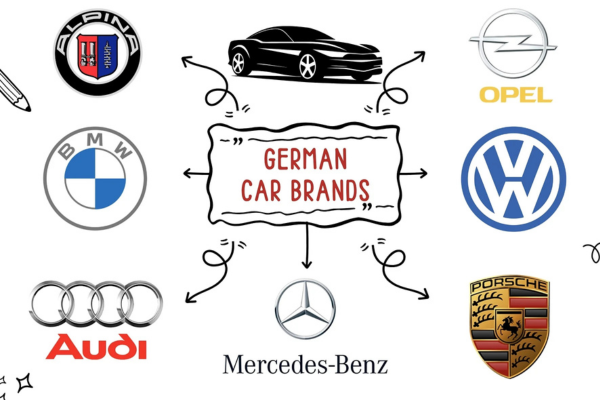
For decades, German cars stood for power, pride, and perfect engineering. Brands like Volkswagen, BMW, and Mercedes-Benz were symbols of Germany’s economic strength. Today, that image is under strain.
Sales are falling, jobs are being cut and the industry’s biggest market, China, is slipping away.
China’s electric shift breaks German dominance
For years, China was a gold mine. At one point, German brands sold every third car in the country. Volkswagen alone once held close to half the market.
But China had a plan. In 2009, Beijing passed laws to push electric vehicles (EVs). The goal was not climate alone, experts say, but leadership. Billions in subsidies and charging infrastructure followed, according to DW report.
The result was swift. Today, every second car sold in China is electric, and almost all are Chinese brands while German car sales have dropped sharply.
Industry experts say German firms underestimated China’s speed and resolve. They also became deeply reliant on the country, especially for batteries. Even strong German EVs still depend on Chinese battery supply.
India Draws Attention But With Limits
As China cools, German eyes are turning to India. The country is now the world’s most populous. Growth is strong, with BMW reporting annual gains of over 10%.
Yet the scale tells a different story. BMW’s Chennai plant builds about 80 cars a day. Its main German plant builds 1,400.
India’s streets are filled with Indian, Japanese, and Korean cars. German brands hold only a small share. Volkswagen, Germany’s biggest carmaker, has just 2% of the Indian market. Executives warn against false hope, staing India is growing, but it is not “the new China.”
Over-Engineering Meets Reality
Experts say German firms face a deeper challenge. Their focus on perfection can slow them down. In India, speed and adaptation matter more than flawless design.
Some insiders say lessons are being learned but late. Chinese EV makers are now testing cars on Germany’s own Nürburgring track, once a symbol of German dominance.
Read more on Five things to know about the 48,700 auto job loss in Germany