Electric vehicle (EV) owners could soon gain crucial seconds of warning before a battery fire breaks out, time that can save lives and vehicles.
A high-tech thermal imaging firm, Raytron, has unveiled an AI-powered system designed to detect early warning signs inside lithium-ion batteries. The technology uses infrared thermal imaging to monitor battery temperatures in real time, without touching the battery itself. Engineers say it can spot dangerous heat patterns long before a fire starts.
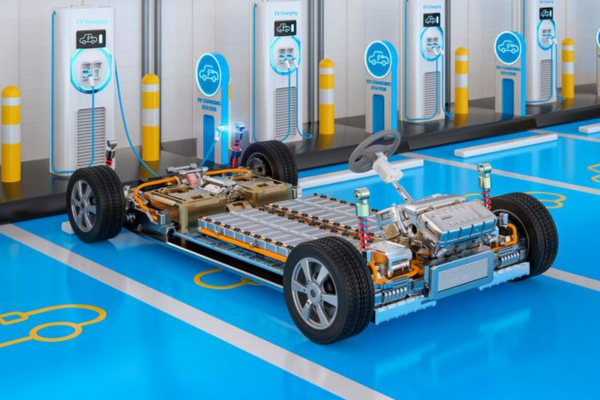
Battery fires remain one of the biggest safety fears surrounding electric vehicles. According to the US National Institute of Standards and Technology, lithium-ion battery fires can exceed 2,000°F (1,093°C) within seconds, leaving drivers little or no time to react. Traditional Battery Management Systems often detect problems only after damage has already begun.
Raytron’s system aims to change that. By combining thermal imaging with artificial intelligence, the technology identifies hotspots, abnormal heat spread, and subtle temperature changes. AI algorithms then analyse these patterns and issue predictive alerts before a battery reaches critical failure.
The company says the system can “boost the performance of traditional Battery Management Systems” by shifting maintenance from reactive to predictive. Instead of responding after overheating occurs, manufacturers and operators can intervene earlier, reducing the risk of fires, explosions, or costly recalls.
The technology also records thermal data within the battery’s management system. Engineers can use this information to redesign cooling systems, improve battery layouts, and introduce more effective fire-containment measures. This could significantly extend battery lifespan while improving overall vehicle safety.
Beyond vehicles, the technology has wider applications across the battery supply chain. During manufacturing, it can screen defective cells before they reach consumers. In warehouses, it can monitor stored batteries for spontaneous heat build-up — a known cause of industrial fires.
Lithium-ion batteries power far more than electric cars. Smartphones, laptops, e-bikes, power tools, and children’s toys all rely on the same chemistry. The National Fire Protection Association estimates that dozens of such batteries may be present in a single household or workplace.
While Raytron’s system is not yet widely deployed, it reflects a growing industry push to improve battery safety. Other companies are developing self-extinguishing batteries and automated safety inspection systems. Together, these innovations could increase public confidence in electric vehicles and accelerate the shift away from petrol and diesel cars.
Read more on Europe’s new car sales climb for fifth month, boosted by electric vehicles