South Korean automaker Hyundai Motor is unlikely to reclaim its former manufacturing plant in Russia as a contractual buyback option nears expiration, according to a source familiar with the matter. This shows how the war in Ukraine continues to reshape global business ties.
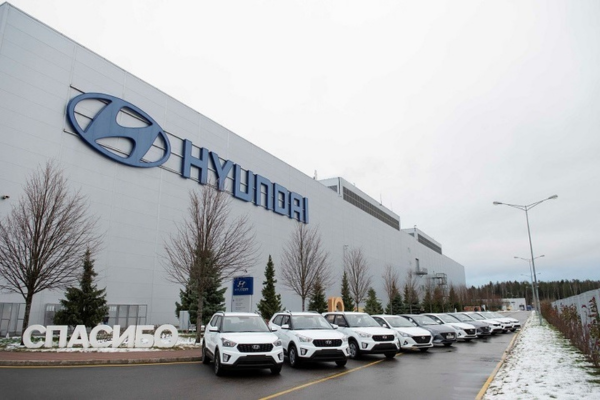
Hyundai sold the St. Petersburg factory in 2024 after suspending operations there in March 2022, just weeks after Russia invaded Ukraine. The invasion triggered sweeping Western sanctions that disrupted supply chains, blocked payments, and forced many foreign companies to exit the Russian market.
Under the terms of the sale, Hyundai retained an option to repurchase the plant within two years. That option is set to expire in January 2026. However, the source said Hyundai is “not in a position” to exercise that right due to the ongoing conflict and the uncertainty it creates.
“Given the current situation, there is no realistic path for Hyundai to move forward with a buyback,” the source told Reuters, declining to be named due to the sensitivity of the matter.
Hyundai and its affiliate Kia were once the largest foreign carmakers in Russia, with strong local demand and deep production ties. The St. Petersburg plant played a key role in supplying vehicles to the Russian market before the war brought operations to a halt.
Western sanctions imposed after the invasion have severely constrained the ability of global automakers to operate in Russia. Restrictions on technology transfers, logistics, financing, and payments have made production and investment increasingly difficult. Many companies have chosen to exit rather than maintain suspended operations.
For Hyundai, the decision to sell the plant reflected both operational reality and strategic caution. The factory had remained idle for nearly two years before the sale, generating costs without output, while the outlook for sanctions relief remained uncertain.
The source said that conditions have not improved enough for Hyundai to reconsider its exit. Continued fighting, shifting sanctions regimes, and limited visibility into Russia’s economic trajectory have made long-term planning nearly impossible.
Hyundai declined to comment on the status of the buyback option. The company has previously said it continues to monitor geopolitical developments closely and prioritizes stability and compliance with international regulations.
The case highlights the lasting impact of the Ukraine war on multinational corporations that once saw Russia as a major growth market. Before the invasion, Russia was one of Europe’s largest car markets, attracting significant investment from global manufacturers.
That landscape has changed sharply. Sanctions and supply disruptions have slashed production volumes and reshaped ownership structures across the industry. Several Western carmakers have either sold assets at steep discounts or transferred operations to local partners.
Analysts say Hyundai’s position reflects a broader trend among foreign firms that exited Russia under pressure and now face hard choices as buyback clauses expire.
For Russia, the loss of major foreign automakers has altered its automotive sector, reducing competition and limiting access to advanced technology. For companies like Hyundai, the exit has meant writing down assets but avoiding deeper exposure to geopolitical risk.
As the January deadline approaches, Hyundai’s decision not to repurchase the plant signals that the rupture between Russia and Western-linked businesses remains far from healed.
Read more on Hyundai announces global vehicle overhaul in $2.7bn EV push