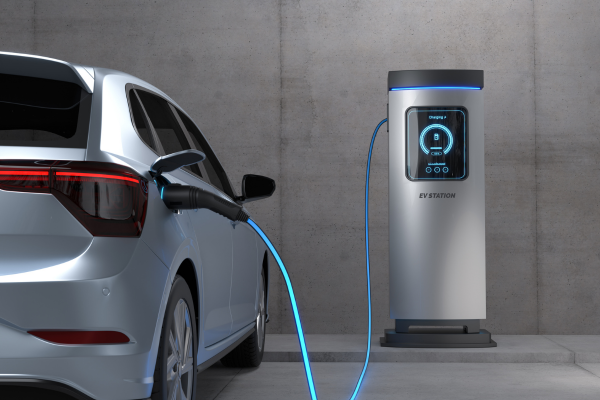
Global electric vehicle (EV) sales grew in November at their slowest pace since February 2024 as demand plateaued in China and US policy changes pushed North America toward its first annual drop in six years, data from Benchmark Mineral Intelligence (BMI) showed.
Registrations rose 6% to just under 2 million EVs in November. But BMI said the slowing trend signals pressure on the industry as key markets adjust to weaker incentives and rising uncertainty. EV groups say a fast shift to cleaner transport is needed to cut CO₂ emissions. Still, carmakers and governments have been pulling back on earlier plans as adoption lags behind expectations.
China Growth at 20-Month Low
China, the world’s largest car market and home to more than half of global EV sales, recorded a 3% rise to over 1.3 million registrations, its lowest year-on-year increase since February 2024. BMI said reduced government subsidies near the end of the year are expected to weaken consumer confidence and slow purchases.
Industry analysts say China’s sales patterns often set the tone for global EV momentum, making November’s results a key signal for carmakers entering 2026.
North America Faces Sharp Decline
The U.S. and Canada recorded one of the steepest monthly drops worldwide. EV registrations in North America fell 42% to just over 100,000 units as U.S. federal tax credits came to an end. The decline followed a similar fall in October.
North America is now down 1% for the year, putting the region on track for its first annual decline since 2019. BMI data manager Charles Lester said the incentives had been “so influential for the market,” adding that the organisation still expects a decrease in U.S. EV sales next year.
The slowdown comes as U.S. President Donald Trump last week proposed cutting fuel-economy standards that were finalised under the previous administration. EV advocates warn that weaker rules could further reduce momentum in the market.
Europe Holds Steady With Incentives
Europe remained a bright spot. EV registrations — including battery-electric and plug-in hybrids — surged 36% to more than 400,000. Sales in the rest of the world grew 35% to nearly 160,000.
BMI said Europe’s growth has been supported by national incentive programmes. The region’s EV registrations are up by a third this year compared with the same period in 2024.
The European Union has delayed the release of new policy proposals for the auto sector until next week. The plans could weaken the bloc’s 2035 ban on new CO₂-emitting cars, adding uncertainty for manufacturers planning long-term production.
Industry Faces Growing Tension
The mixed global picture highlights the tension between the need for cleaner transport and the economic and political pressure facing automakers. Many companies have slowed investment, citing lower-than-expected sales and concerns about profit margins.
EV groups warn that a delay in the transition could threaten climate targets and slow efforts to cut emissions from one of the world’s most polluting sectors.
Global Outlook Uncertain
With China cooling, U.S. incentives ending, and European policies under review, analysts say the global EV market is entering a more fragile phase. While November still showed growth, the slower pace signals challenges ahead for governments and carmakers aiming to expand electric mobility.
Read more on US fuel rule rollback may revive Station Wagons, lifts European carmaker shares









![BYD [Source BYD USA]](https://autojournal.africa/wp-content/uploads/2024/04/BYD-Source-BYD-USA-2-120x86.png)