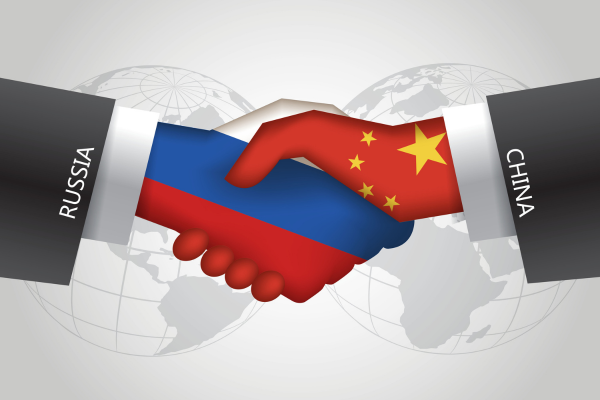
Russia is reviving barter trade for the first time since the 1990s, as sanctions choke traditional payments and force companies to swap goods like wheat for Chinese cars and flax seeds for building materials. The return of barter highlights how the war in Ukraine and more than 25,000 Western sanctions have reshaped global trade flows for the world’s largest energy and grain exporter.
Barter, once a relic of Russia’s chaotic 1990s economy, is again becoming a lifeline. The method helps companies bypass blocked banking systems and avoid secondary sanctions. Officials say it is a practical way to maintain exports while protecting partners from U.S. and European penalties.
Russia’s Ministry of Economic Development last year issued a 14-page “Guide to Foreign Barter Transactions.” It explained how firms could swap goods directly, without using banks. The document even proposed a new exchange platform dedicated to barter. “Foreign trade barter transactions allow companies to keep trade alive without international money transfers,” the ministry said.
The shift comes after more than 25,000 sanctions were imposed on Russia since 2014, hitting its $2.2 trillion economy. Disconnection from the SWIFT system and U.S. pressure on Chinese banks have left Moscow searching for loopholes.
A New Old System
Trade sources told Reuters that at least eight barter deals have already been completed, involving grain, flax, aluminium, and engines. In one case, Chinese cars were shipped to Russia in exchange for wheat. “Chinese banks are afraid of secondary sanctions, so they won’t take Russian money. Barter solves that problem,” one payment-market source said.
Russia’s foreign trade surplus fell 14% year-on-year to $77.2 billion between January and July 2025, according to customs data. Exports dropped $11.5 billion to $232.6 billion, while imports rose slightly to $155.4 billion. The customs service confirmed barter was happening but insisted it was “insignificant compared to overall trade volumes.”
Still, analysts warn barter is growing. “The growth of barter is a symptom of de-dollarisation, sanctions pressure, and liquidity problems,” said Maxim Spassky, Secretary of the Russian-Asian Union of Industrialists. “Volumes will grow further.”
The Automotive Angle
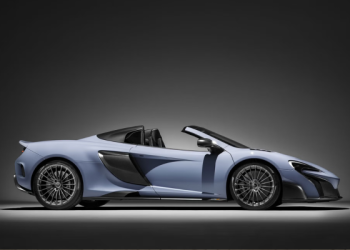
China is seizing the moment to push its car exports. Several deals reportedly exchanged Russian wheat for Chinese vehicles, cementing Beijing’s role as a crucial supplier of passenger and commercial cars. One flax-for-appliances deal was valued at around $100,000, trade records showed.
For Chinese automakers, barter serves as a means for market expansion. “Barter offers opportunities in times of limited payments,” said Xu Xinjing, chairman of Hainan Longpan Oilfield Technology Co., at the Kazan Expo in August.
History Repeating?
The barter boom recalls the 1990s, when Russia’s collapsing currency forced businesses into chains of swaps involving everything from oil to boots. Back then, it fuelled scams and inefficiency. Today, money exists, but sanctions pressure is forcing barter’s return.
Moscow dismisses sanctions as “illegal,” while Beijing calls them “discriminatory.” But the reality is that Russia must keep finding ways to sell what the world needs; grain, metals, energy, even if that means trading cars for wheat.
“This is survival economics,” said Sergey Putyatinsky, vice president at financial group BCS. “Businesses are juggling 10 to 15 payment methods at once—cash, crypto, barter. There’s no single solution, but the economy keeps moving.”
Read more on Mexico to raise car tariffs on China to 50% in bid to protect jobs