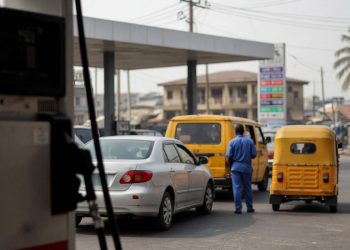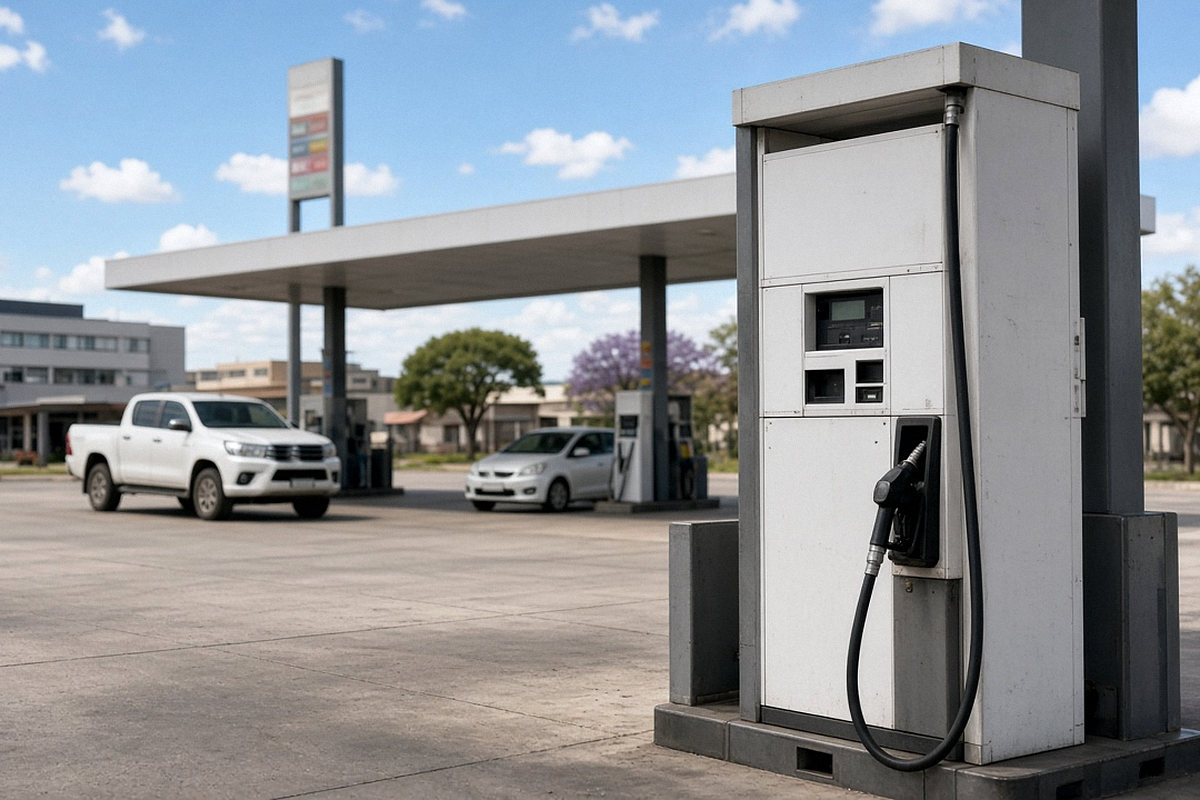
South African motorists are heading for some long-awaited relief at the pump. Month-end data from the Central Energy Fund (CEF) points to a petrol price cut of roughly R3.36 to R3.57 a litre when the December adjustment takes effect on Wednesday, 2 December 2026.
If the projections hold, it would be the largest petrol price cut on record in South Africa, comfortably beating the R2.04-a-litre reduction of September 2022. The official figures have not yet been announced by the Department of Mineral and Petroleum Resources (DMPR), so these remain projections until the department publishes the final adjustment.
What the latest data shows
According to the CEF month-end numbers reported by Saffarazzi on 29 November, petrol is showing an average over-recovery of about R4.07 a litre for 95 unleaded and R3.86 for 93. After allowing for the partial return of fuel levy relief, that translates into projected cuts of:
| Fuel (inland) | November | Projected change | Projected December |
|---|---|---|---|
| Petrol 95 | R30.24 | −R3.57 | R26.67 |
| Petrol 93 | R29.87 | −R3.36 | R26.51 |
| Diesel 500ppm (wholesale) | R30.85 | −R0.63 | R30.22 |
| Diesel 50ppm (wholesale) | R31.60 | −R1.09 | R30.51 |
Projections, not official prices. They exclude slate-levy and other monthly adjustments.
Earlier in the week, BusinessTech and Car magazine reported smaller but still record-breaking projections of about R3.21 (93) and R3.43 (95) a litre, based on mid-month CEF data. The size of the expected cut has grown as the month went on.
For a driver filling a 50-litre tank with 95 unleaded, a R3.57 cut would mean roughly R179 less per fill-up.
Why prices are falling so sharply
The main driver is crude oil. Prices eased through November as markets bet on reduced risk of further escalation between the United States and Iran. Reuters reported that Brent crude settled at $91.49 a barrel on 10 November, its lowest level since 31 August, and Car magazine put crude at about $84 a barrel when it published its forecast on 26 November.
Lower oil prices feed directly into South Africa’s basic fuel price, which is why the over-recovery on petrol has been so large this month. Africa often feels global fuel shocks faster and more deeply than other regions, which is also why a swing of this size matters for household budgets.
The catch: fuel levy relief is being scaled back
Government’s temporary relief on the general fuel levy is being reduced from 2 December. According to the government gazette published by SARS, the relief drops from R1.50 to R1.00 a litre on petrol and from R3.00 to R1.50 a litre on diesel for the period 2 December 2026 to 5 January 2027.
That is why diesel users will see much smaller relief than petrol users: a large part of diesel’s over-recovery is being absorbed by the R1.50 levy reversal.
Some analysts have suggested Treasury could bring back the full R1.50 on petrol in December rather than waiting until January. Treasury has not confirmed this. If it happens, the petrol cut would shrink by about R1 a litre, but even then it would still be bigger than the 2022 record.
Not a full reset
Even a record cut will not undo all of 2026’s increases. After big hikes earlier in the year, including the October increase that pushed 95 unleaded above R30 a litre inland for the first time, petrol is still expected to be more than R5 a litre more expensive than it was at the start of the year.
What it means for car buyers
Fuel costs have been one of the external cost pressures weighing on household budgets, according to naamsa, even as new-vehicle sales grew 10.4% year-on-year in October to 61,890 units. Lower pump prices in December could ease running costs during the festive travel season, though the bigger picture for buyers will also depend on interest rates and whether oil prices stay lower into January.
Some South African buyers are already weighing running costs when they look at electric and hybrid models, and surveys have found cost savings rank ahead of environmental concerns.
When will the official price be confirmed?
The DMPR normally announces the adjustment a few days before it takes effect. AutoJournal Africa will update this story with the confirmed prices as soon as they are published.
Sources: Saffarazzi (29 November 2026); BusinessTech (25 November 2026); Car magazine (26 November 2026); SARS Government Gazette No. 55680 (6 November 2026); Reuters (10 November 2026); naamsa October 2026 new-vehicle sales release.