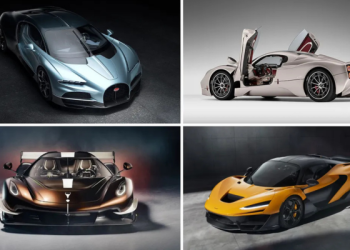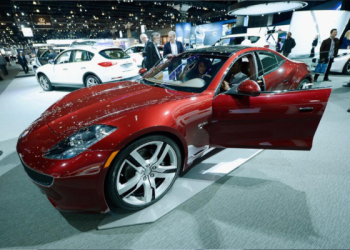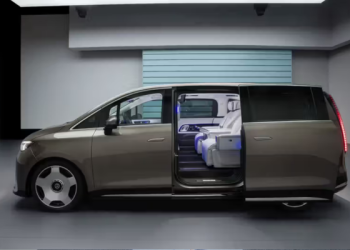
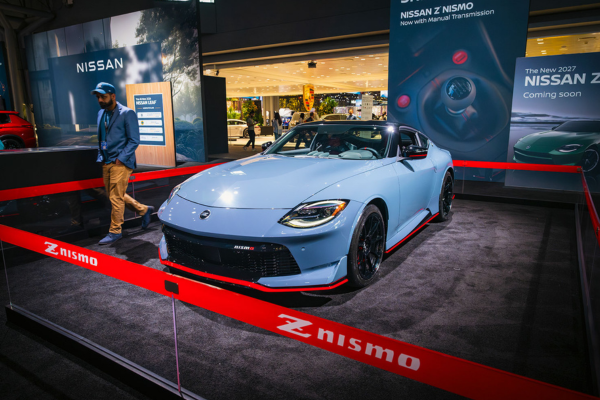
Automakers from around the world gathered at the 2026 New York International Auto Show this week, but beneath the polished launches and concept reveals lies a growing tension in the global Electric Vehicles (EVs) race.
The event comes at a fragile moment for the US market. Demand for EVs has softened after the removal of the EV Tax Credit, once worth $7,500, leaving manufacturers searching for new ways to sustain momentum.
Chinese EVs reshape global competition
Industry leaders at the show acknowledged a shift already underway. Chinese automakers, once seen as emerging players, are now setting benchmarks in efficiency, cost, and production scale.
“Competition is good,” said a senior executive from Zenvo Automotive, noting that Chinese brands have gained a “head start” in both technology and manufacturing.
Despite Automotive Tariffs as high as 100% imposed in recent years, the conversation is shifting from protection to participation. Some executives argued that opening the US market could drive innovation rather than suppress it.
Investment battles replace policy certainty
While policymakers debate trade barriers, automakers are doubling down on Auto Industry Investment. Hyundai announced a $26 billion commitment to the US market, alongside plans to create 25,000 jobs and roll out 58 new models.
Executives say restoring consumer confidence is now critical, especially as policy uncertainty clouds long-term planning.
Global supply chains redefine the industry
The growing influence of China highlights deeper changes in the Global Supply Chain, where production efficiency and pricing power increasingly determine market leadership.
Meanwhile, US automakers continue to balance domestic priorities with international exposure. Ford, for instance, emphasized China’s importance as an overseas market even as it focuses on North America.
As the auto show opens to the public, one message is clear: the future of mobility will not be decided by one country alone. Instead, it will be shaped by a global contest where innovation, affordability, and policy must align.
Read also: Toyota global auto sales rise to 822,577 in January 2026