Rising fuel prices have pushed more Chinese commuters into taxis, but unlike previous oil shocks, the shift is helping China reduce its dependence on gasoline thanks to the rapid growth of Electric Vehicles (EVs).
Government data showed people made 3.05 billion taxi and ride-hailing trips in May, up 6% compared with the same period last year after the Iran conflict began. Analysts say lower taxi fares, driven by intense competition among drivers and the expansion of electric vehicle fleets, have encouraged more people to leave their petrol cars at home.
A part-time Beijing ride-hailing driver, identified only as Li, told Reuters that fares have fallen by 10% to 15% since he began driving six months ago.
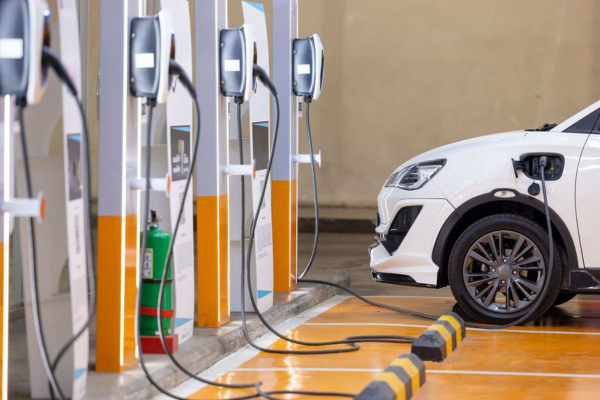
“Competition is intense,” Li said while charging his electric vehicle in Beijing.
Many commuters say rising gasoline prices have changed their travel habits.
Yang, a petrol car owner, said taking a taxi has become cheaper than driving for some trips.
“Especially when gas prices are high, I’d rather take a taxi… I don’t have to look for parking or pay for gasoline,” Yang said.
Electric Vehicles (EVs) Change China’s Fuel Demand
China’s transport sector is becoming less reliant on oil as electric taxis continue replacing conventional vehicles.
According to the Ministry of Transport, about half of China’s 1.3 million taxis are now electric, while major cities have almost fully electrified their taxi fleets.
Ride-hailing giant Didi said it added another two million hybrid and electric vehicles last year, increasing its non-fossil-fuel fleet to eight million vehicles. These vehicles now account for 75% of total mileage on the platform.
The transition has contributed to a 10% decline in gasoline consumption and a 14% fall in diesel use in May compared with a year earlier, even as road freight increased by 2%.
Oil Imports and the Strait of Hormuz
China’s reduced fuel demand has also affected global energy markets.
Oil imports fell 41% in June from a year earlier, allowing China to avoid heavy use of strategic reserves while easing pressure on global oil supplies during disruptions linked to the Strait of Hormuz.
Analysts at J.P. Morgan said the conflict may have accelerated behavioural changes that were already underway, making China structurally less dependent on oil than previously expected.
The bank expects gasoline demand to continue declining in 2027, although at a slower pace than this year.
Read also: BMW is losing China, can the Neue Klasse save it?


![Trump Targets Bombardier [Narcity]](https://autojournal.africa/wp-content/uploads/2026/09/Trump-Targets-Bombardier-350x250.png)