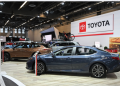

Toyota has overtaken Nissan to become Japan’s top-selling domestic electric vehicle brand for the first time, marking a historic shift in the country’s EV market.
The change follows a major upgrade to Toyota’s bZ4X electric SUV, which directly tackled the issues holding many buyers back.
New figures from the Japan Automobile Manufacturers Association (JAMA) show domestic EV sales rose 1.6% in 2025, reaching 60,677 vehicles. Growth remained modest, but the final quarter of the year told a different story. Toyota surged ahead after Nissan’s 15-year dominance came to an end.
Toyota sold 3,448 bZ4X units in the fourth quarter alone. That represents a rise of more than 2,100% compared with the same period in 2024. Analysts say the jump was driven by changes focused on everyday usability rather than experimental technology.
The refreshed bZ4X delivers a 25% increase in driving range, now reaching up to 746 kilometres (463 miles). Charging speeds are faster, the interior has been redesigned, and the starting price has been lowered. These improvements directly address range anxiety, charging time, and affordability.
Electric vehicles still account for just 2–3% of new car sales in Japan, far below the global average. That reality has shaped Toyota’s approach. Instead of targeting early adopters, the company focused on cautious, mainstream buyers seeking reliability and predictability.
Industry observers say this strategy reflects Toyota’s long-term thinking. The company has also confirmed plans to introduce solid-state batteries from 2027. Toyota claims the technology could extend battery life to as much as 40 years.
If successful, solid-state batteries could reduce ownership costs, improve safety, and perform better in extreme weather conditions. They could also ease concerns about expensive battery replacements, one of the biggest worries among hesitant buyers.
Toyota’s rise signals a broader shift in how electric vehicles may win over late adopters. Rather than radical design or aggressive marketing, the next phase of EV growth could depend on trust, durability, and day-to-day convenience.
As competition intensifies, Japan’s EV market appears to be entering a more pragmatic era, one shaped less by hype and more by real-world needs.
Read more on Electric cars could power homes, stabilise grids, says Toyota